
California Uses Cannabis Tax Revenue to Grant $35.5 Million to Community Organizations

[ad_1]

The California Governor’s Office of Business and Economic Development (also referred to as GO-Biz) announced on June 1 that it would be granting $35.5 million worth of cannabis tax revenue to community efforts.

The funds come from the California Community Reinvestment Grant program, which will be directed to organizations that help with job placement, mental health treatment, substance use disorder treatment, system navigation services, legal services to address barriers to reentry, and linkages to medical care.

“We’re proud to announce 78 grants totaling $35.5M in awards through the California Community Reinvestment Grants (CalCRG) program. These grants will help serve communities across CA that have been disproportionately impacted by the War on Drugs,” the organization wrote on Twitter.

In a press release, GO-Biz shared the need to use cannabis tax funds for specific communities that are in need of aid. “Harsh federal and state drug policies enacted during that period led to the mass incarceration of people of color, decreased access to social services, loss of educational attainment due to diminished federal financial aid eligibility, prohibitions on the use of public housing and other public assistance, and the separation of families,” the release states.

Furthermore, GO-Biz Director and Senior Adviser to Gov. Gavin Newsom Dee Dee Myers shared a statement regarding the continued success of the program. “Now in its fourth year, the California Community Reinvestments Grants program continues to be an important tool for communities that still face systemic restrictions and barriers to opportunity and equity,” said Myers. “This latest round of awards will support the economic justice and well-being of communities across our state that have been disproportionately impacted by the War on Drugs.”

A total of 78 organizations were chosen across California, located in the counties of Alameda, San Francisco, Los Angeles, Riverside, San Bernardino, San Diego, and more.

Among the recipients receiving the highest amount of $900,000 includes JobTrain, GRID Alternatives Greater Los Angeles, Inc., Community Partners as a fiscal sponsor of Los Angeles Regional Reentry Partnership, and Recovery Café San Jose. Most others, such as the Legal Aid Foundation of Los Angeles, Inland Valley Drug and Alcohol Recovery Services, Kitchens for Good, Inc., will be receiving $450,000.

In 2021, the program sent out 58 grants for a total of $29.1 million and in 2020, $30 million was earmarked for a variety of cities and counties.

Since California legalized adult-use cannabis in 2018, the state has collected $3.76 billion in total tax revenue, according to a press release posted on May 26 by the California Department of Tax and Fee Administration. This includes $1.91 billion from cannabis excise taxes, $467.75 million from cultivation taxes and $1.38 billion from sales taxes.

Recently, Gov. Newsom’s budget proposal set aside $150 million to reduce cannabis taxes. He said in a press statement that the temporary reduction will help aid small cannabis business owners, and also curb illegal sales. “This is [the] beginning of a process from my humble perspective, in terms of my thinking,” Newsom said. “This will be a multi-year process to get that black market, get it on the retreat—not the ascendancy—and to get the retail and responsible adult-use market on steady ground.”

Earlier this year, California announced that it would be granting nearly $100 million to local governments and jurisdictions that would help bolster their cannabis programs, and make them more efficient. The Department of Cannabis Control Director Nicole Elliot explained that this grant money would help communities with specific needs. “Significant funding is being directed to process improvements and environmental assessments, both of which will help the state and local governments achieve short- and long-term goals,” Elliot said. The most highest amount was awarded to the city of Los Angeles for $22,312,360, Humboldt County with $18,635,137, and Mendocino County with $17,586,406.62.


[ad_2]

Source link

Is Cannabis Now Winning the Fight Against Cervical Cancer?

Is Cannabis Now Winning the Fight Against Cervical Cancer?

[ad_1]

cannabis for cervical cancer

Cervical cancer affects the cervix, the part of the uterus that is linked to the female genitalia.


This cancer begins on the cervix surface, once the cells begin to multiply and some turn into precancerous cells or lesions. According to the World Health Organization, this is the 4th most common cancer among women. Most of these cases are due to exposure to human papillomavirus (HPV), one of the most widely spread sexually transmitted diseases. In some cases, HPV can resolve on its own although if there is persistent infection, then this can result in cervical cancer.


Treatments for cervical cancer include chemotherapy, radiation, surgery, or a combination of two of these. The type of treatment needed for cervical cancer will depend on the severity of the condition. However, the prognosis for women with cervical cancer depends greatly on the cancer stage; over 90% of women who have been diagnosed with stage 0 cancer can survive another 5 years, and these figures decrease rapidly the further the cancer has spread.


How Cannabis Can Help


There have been some studies showing how cannabis can help women with cervical cancer. In one analysis, 83% of 31 women with this condition reported that using medical cannabis was effective in helping their cancer and alleviating symptoms that arose due to treatment, such as reducing opioid use, a decrease in appetite, anxiety, nausea, insomnia, pain, and more.


Another study revealed that using cannabidiol (CBD) was effective in inducing apoptosis, or causing cancer cells to kill themselves off, in cases of cervical cancer patients among women in South Africa. The researchers believe that CBD was effective in doing so by activating a Bcl-2 degradation pathway which promotes the action of cancer cells killing themselves off.


There is also another popular study from 2016, conducted by researchers from Kent State University’s Department of Biological Sciences. They analyzed the impact of CBD on cervical cancer cell lines, and found that CBD was effective in inhibiting these cell lines while also encouraging apoptosis, within an impressive 24 hours after exposure to CBD. The researchers concluded that CBD is anti-proliferative through several mechanisms and has potential for treating cervical cancer. Also in 2016, a study released in the BMC Complementary and Alternative Medicine journal found that crude cannabis sativa extracts as well as CBD were effective in decreasing the viability of cancer cells while stopping proliferation when tested on three cervical cancer cell lines.


There are also documented anecdotal cases, such as this woman from New Zealand, who says that cannabis helped to cure her stage 2 cervical cancer. According to Shona Leigh, her doctors advised her to undergo chemotherapy, though she rejected her doctors’ recommendations and instead discovered the benefits of cannabis oil. She disclosed to the Daily Mercury that after taking cannabis oil, her cancer was cured.


Cannabis for The Side Effects of Chemotherapy for Cervical Cancer


For women that have to undergo chemotherapy for cervical cancer, there may be some unpleasant side effects that are commonly associated with this treatment. Cannabis can help too, improving prognosis because it can mitigate the effects that can sometimes prevent people from continuing chemotherapy.


There have been many studies proving the efficacy of cannabis for the side effects of chemotherapy. One study in 2020 was conducted by researchers from the University of Sydney together with the NHMRC Clinical Trials Centre and the Chris O’Brien Lifehouse. The researchers found great improvements among patients who suffered from nausea and vomiting caused by chemotherapy among a quarter of patients who were taking medical cannabis. “These encouraging results indicate medicinal cannabis can help improve quality of life for chemotherapy patients,” said Associate Professor Peter Grimison. “Nausea and vomiting are among the most distressing and feared consequences of chemotherapy,” he adds.


A study from 2014 showed that using CBD was helpful in decreasing neuropathic pain, one of the side effects of chemotherapy. The study involved administering healthy mice with chemotherapy drugs thrice a week, which went on for 10 weeks. Half of the mice were also given CBD together with chemotherapy, and it was found that the chemotherapy made the mice more sensitive to stimuli. However, those that were given CBD were found to have a higher pain threshold.


Tips For Cervical Cancer Patients


If you are interested in integrating cannabis to your cervical cancer treatment, it’s always wise to let your oncologist know ahead of time. Working with a doctor who is knowledgeable with the use of medical marijuana can help you navigate the often overwhelming world of medicating, especially for first-time users. This is especially critical if you are taking other medications such as blood thinners, because cannabis use can have interactions with other pharmaceutical drugs.


While there have been patients who have foregone conventional treatment altogether, there is not sufficient evidence that only medical marijuana can treat terminal conditions such as any kind of cancers. Because of this, cannabis may work best in conjunction with other treatments that your medical provider has recommended. Feel free to ask your doctor as many questions as you need to feel confident about using marijuana for treating cervical cancer. It’s available in many forms though for terminal patients, smoking or vaping may not be the best route of administration. Instead, opt for edibles, oils, and sublinguals which are safer to take and are gentler on the body.


More research onto the use of cannabis for various cancers is ongoing, though the present evidence that we have supports the potential use of cannabis as complementary treatment for cancers. CBD and cannabis products can have life-changing benefits for those struggling with the Big C.


MEDICAL MARIJUANA FOR CERVICAL CANCER, READ MORE…

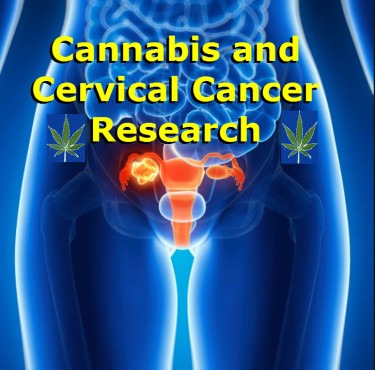
CANNABIS AND CERVICAL CANCER RESEARCH

CANNABIS AND CERVICAL CANCER RESEARCH, WHAT WE NOW KNOW!

OR..

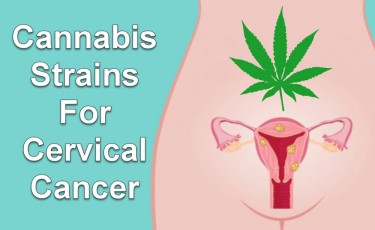
MARIJUANA STRAINS CERVICAL CANCER

MARIJUANA STRAINS FOR CERVICAL CANCER PATIENTS!

[ad_2]

Source link

Is Cannabis Now Winning the Fight Against Cervical Cancer?

Is Cannabis Now Winning the Fight Against Cervical Cancer?

[ad_1]

cannabis for cervical cancer

Cervical cancer affects the cervix, the part of the uterus that is linked to the female genitalia.


This cancer begins on the cervix surface, once the cells begin to multiply and some turn into precancerous cells or lesions. According to the World Health Organization, this is the 4th most common cancer among women. Most of these cases are due to exposure to human papillomavirus (HPV), one of the most widely spread sexually transmitted diseases. In some cases, HPV can resolve on its own although if there is persistent infection, then this can result in cervical cancer.


Treatments for cervical cancer include chemotherapy, radiation, surgery, or a combination of two of these. The type of treatment needed for cervical cancer will depend on the severity of the condition. However, the prognosis for women with cervical cancer depends greatly on the cancer stage; over 90% of women who have been diagnosed with stage 0 cancer can survive another 5 years, and these figures decrease rapidly the further the cancer has spread.


How Cannabis Can Help


There have been some studies showing how cannabis can help women with cervical cancer. In one analysis, 83% of 31 women with this condition reported that using medical cannabis was effective in helping their cancer and alleviating symptoms that arose due to treatment, such as reducing opioid use, a decrease in appetite, anxiety, nausea, insomnia, pain, and more.


Another study revealed that using cannabidiol (CBD) was effective in inducing apoptosis, or causing cancer cells to kill themselves off, in cases of cervical cancer patients among women in South Africa. The researchers believe that CBD was effective in doing so by activating a Bcl-2 degradation pathway which promotes the action of cancer cells killing themselves off.


There is also another popular study from 2016, conducted by researchers from Kent State University’s Department of Biological Sciences. They analyzed the impact of CBD on cervical cancer cell lines, and found that CBD was effective in inhibiting these cell lines while also encouraging apoptosis, within an impressive 24 hours after exposure to CBD. The researchers concluded that CBD is anti-proliferative through several mechanisms and has potential for treating cervical cancer. Also in 2016, a study released in the BMC Complementary and Alternative Medicine journal found that crude cannabis sativa extracts as well as CBD were effective in decreasing the viability of cancer cells while stopping proliferation when tested on three cervical cancer cell lines.


There are also documented anecdotal cases, such as this woman from New Zealand, who says that cannabis helped to cure her stage 2 cervical cancer. According to Shona Leigh, her doctors advised her to undergo chemotherapy, though she rejected her doctors’ recommendations and instead discovered the benefits of cannabis oil. She disclosed to the Daily Mercury that after taking cannabis oil, her cancer was cured.


Cannabis for The Side Effects of Chemotherapy for Cervical Cancer


For women that have to undergo chemotherapy for cervical cancer, there may be some unpleasant side effects that are commonly associated with this treatment. Cannabis can help too, improving prognosis because it can mitigate the effects that can sometimes prevent people from continuing chemotherapy.


There have been many studies proving the efficacy of cannabis for the side effects of chemotherapy. One study in 2020 was conducted by researchers from the University of Sydney together with the NHMRC Clinical Trials Centre and the Chris O’Brien Lifehouse. The researchers found great improvements among patients who suffered from nausea and vomiting caused by chemotherapy among a quarter of patients who were taking medical cannabis. “These encouraging results indicate medicinal cannabis can help improve quality of life for chemotherapy patients,” said Associate Professor Peter Grimison. “Nausea and vomiting are among the most distressing and feared consequences of chemotherapy,” he adds.


A study from 2014 showed that using CBD was helpful in decreasing neuropathic pain, one of the side effects of chemotherapy. The study involved administering healthy mice with chemotherapy drugs thrice a week, which went on for 10 weeks. Half of the mice were also given CBD together with chemotherapy, and it was found that the chemotherapy made the mice more sensitive to stimuli. However, those that were given CBD were found to have a higher pain threshold.


Tips For Cervical Cancer Patients


If you are interested in integrating cannabis to your cervical cancer treatment, it’s always wise to let your oncologist know ahead of time. Working with a doctor who is knowledgeable with the use of medical marijuana can help you navigate the often overwhelming world of medicating, especially for first-time users. This is especially critical if you are taking other medications such as blood thinners, because cannabis use can have interactions with other pharmaceutical drugs.


While there have been patients who have foregone conventional treatment altogether, there is not sufficient evidence that only medical marijuana can treat terminal conditions such as any kind of cancers. Because of this, cannabis may work best in conjunction with other treatments that your medical provider has recommended. Feel free to ask your doctor as many questions as you need to feel confident about using marijuana for treating cervical cancer. It’s available in many forms though for terminal patients, smoking or vaping may not be the best route of administration. Instead, opt for edibles, oils, and sublinguals which are safer to take and are gentler on the body.


More research onto the use of cannabis for various cancers is ongoing, though the present evidence that we have supports the potential use of cannabis as complementary treatment for cancers. CBD and cannabis products can have life-changing benefits for those struggling with the Big C.


MEDICAL MARIJUANA FOR CERVICAL CANCER, READ MORE…

CANNABIS AND CERVICAL CANCER RESEARCH

CANNABIS AND CERVICAL CANCER RESEARCH, WHAT WE NOW KNOW!

OR..

MARIJUANA STRAINS CERVICAL CANCER

MARIJUANA STRAINS FOR CERVICAL CANCER PATIENTS!

[ad_2]

Source link

Does weed help with ADHD?

Does weed help with ADHD?

[ad_1]

For someone living with attention deficit hyperactivity disorder (ADHD), life can feel like everything is happening all at once. As Edward Hallowell, MD, reflects, ADHD is “like being super-charged all the time. You get one idea and you have to act on it, and then, what do you know, you’ve got another idea before you’ve finished up with the first one… all these invisible vectors are pulling you this way and that, which makes it really hard to stay on task.”

This pull to go in different directions can create a sense of inner turmoil or panic, making it hard to focus or prioritize. While a range of behavioral therapies and medications can help manage the disorder, cannabis has steadily received attention as an alternative treatment. Is there evidence that cannabis can ease or manage symptoms associated with the condition?

What is ADHD? 

ADHD is a neurodevelopmental disorder, and it’s the most commonly diagnosed childhood behavioral disorder. Although children can grow out of ADHD, the condition can persist into adulthood for one-third of those people.

The number of individuals diagnosed with the disorder has been rising rapidly in recent decades. In the 1980s, one in 20 US children was diagnosed with ADHD. Nowadays, that number is roughly one in nine. Adult rates of ADHD have also risen by 123% between 2007 and 2016. Approximately 2.58% of adults have ADHD. 

ADHD is diagnosed by the presence of symptoms of inattention and hyperactivity or impulsivity.

The diagnosis process for adults and adolescents 17 and over is slightly different from that of children, but the symptoms that physicians check for remain the same:

  • Not paying close attention to details or making careless mistakes in schoolwork, at work, or with other activities
  • Difficulty in maintaining attention on tasks or play activities
  • Not listening when being spoken to directly
  • Not following through on instructions and failing to finish schoolwork, chores, or duties in the workplace 
  • Difficulty in organizing tasks and activities
  • A reluctance to engage in tasks that need focus over a period of time (like a long-term project)
  • Losing things that are needed for tasks and activities, e.g., school materials, tools, paperwork, mobile telephones
  • Getting distracted 
  • Forgetting things 

Symptoms of hyperactivity and impulsivity can include:

  • Fidgeting, tapping hands or feet
  • Moving about or being restless in situations where it would be appropriate to sit still
  • Difficulty in playing or taking part in activities quietly
  • Excessive talking
  • Blurting out an answer before a question has been asked
  • Finding it hard to wait in queues or wait for one’s turn
  • Interrupting or intruding (for example, butting into conversations or games)

However, individuals living with ADHD often emphasize that the disorder isn’t just a collection of symptoms. Instead, it can also be a unique way of experiencing life. While ADHD presents distinct challenges, some diagnosed with the disorder believe it to have special benefits, such as boundless energy, creativity, and an interest in diverse topics.

Related

The best cannabis strains for focus and ADD/ADHD

Why do people with ADHD use cannabis?

Doctors who diagnose ADHD generally prescribe behavioral therapy, medicine, or both. Treatment can include stimulants, such as Adderall and Ritalin, or non-stimulants, like Clonidine or Guanfacine. Stimulants are usually prescribed first, and if they don’t work, then non-stimulants may be tried.

However, for some parents of children with ADHD (and some adults), this treatment approach doesn’t produce the desired results—or can cause unwanted side effects. 

For example, in one study, 21% of parents ceased giving ADHD medication to their children because of psychological side effects or the perception that the medicine wasn’t working. Behavioral therapy can also be limited in its results as it doesn’t change the symptoms of ADHD, but teaches skills to manage the condition more easily. What’s more, both treatment approaches can be costly.

Instead of these conventional medications, increasing numbers of individuals choose to self-medicate with cannabis. Unfortunately, research into cannabis as a treatment for ADHD is scarce. There’s currently no robust clinical data that clearly supports the idea that cannabis is therapeutic for ADHD. However, an absence of clinical data doesn’t necessarily mean it doesn’t help.

Case studies, surveys, and anecdotal reports often suggest that cannabis can help support sleep, focus, anxiety, or slowing thoughts. 

For example, a study of 401 online forum threads about ADHD and cannabis found that 25% (99 posts) of contributors felt that cannabis improved ADHD or its symptoms. In contrast, 8% found that it was harmful (31 posts). Five percent believed that it was both therapeutic and detrimental (19 posts), and 2% shared that it didn’t affect their condition. 

A 2022 case study reported that three adult men who added cannabis to their treatment regimen found it offered diverse therapeutic benefits. Scores on attentiveness rose by up to 30%. Two of the men also shared that they were able to improve their performance in their job and take on more responsibility. 

Also in the study, depression improved by up to 81%, anxiety scores lifted by up to 33%, emotional regulation scores elevated up to 78%. The men varied in the type of cannabis they used: one preferred high-THC low-CBD, and another preferred low-THC and high-CBD. 

Related

Why does weed make some people paranoid?

How can different cannabinoids and terpenes affect ADHD?

New research hints that different cannabinoids, or combinations of cannabinoids and terpenes, may offer therapeutic benefits to individuals with ADHD. These findings suggest that using cannabis to treat ADHD symptoms is nuanced. 

A combination of THC and CBD

In one of the only randomized clinical trials using cannabis for adults with ADHD, researchers gave participants Sativex spray, a pharmaceutical form of cannabis that contains equal parts THC and CBD, for six weeks. Researchers measured two outcomes: The primary outcome focused on cognitive performance and activity during a 20-minute task; the secondary outcome included hyperactivity, inhibition, and attentiveness. 

Researchers discovered that the spray didn’t negatively affect participants’ cognitive performance. Sativex did lead to an improvement, however, in the secondary outcomes, with a reduction in hyperactivity, feeling better equipped to inhibit behavior, ability to regulate emotion more easily, and more attentiveness. The researchers suggested that these improvements could be because both THC and CBD can alleviate anxiety. 

A study of children in Israel also found that a combination of high CBD and low THC (in a ratio of 20:1) helped manage hyperactivity, insomnia, and anxiety. While this study focused on 53 children diagnosed with Autism Spectrum Disorder (ASD), the disorder shares major symptoms with ADHD, such as trouble focusing, impulsivity, insomnia, and hyperactivity. Between 50-70% of individuals with ASD are also diagnosed with ADHD. Some experts believe ADHD and ASD both fall on the same continuum.

The researchers found that 68.4% of the children experienced an improvement in hyperactivity symptoms, 71.4% began sleeping better, and 47.1% had a reduction in anxiety symptoms. However, for a small percentage of the children, these symptoms worsened.

CBD (cannabidiol)

In a 2020 systematic review, researchers awarded CBD a “Grade B” recommendation to support its use in treating symptoms associated with ADHD, meaning there’s a moderate level of evidence to support its use. 

A clinical trial exploring the use of CBD-rich oil for ADHD is also currently underway. According to the research proposal, the study aims to uncover more about how the cannabinoid affects ADHD symptoms, stating that “data on the effects of cannabidiol rich cannabis extract use for ADHD seems promising but is still limited.”

Related

The complete guide to CBD (cannabidiol)

CBN (cannabinol)

CBN has also shown promise in the treatment of ADHD. In one creative study, individuals with ADHD who consumed cannabis with high concentrations of CBN experienced a reduction in self-reported symptoms, however, the study didn’t specifically explain which symptoms improved.

Terpenes

In the above study, researchers also found that higher doses of whole-plant cannabis—cannabis containing a range of cannabinoids and terpenes—were associated with patients decreasing their ADHD medicine. 

The study didn’t share any firm findings about which terpenes appeared the most beneficial for ADHD symptoms. However, the researchers emphasized that terpenes and cannabinoids work together synergistically in complex ways—a phenomenon known as the entourage effect—and that there was still much to learn about how these combinations affect ADHD. For example, specific combinations of terpenes and cannabinoids may help to promote focus or calm the mind

What are the risks of using cannabis to treat ADHD? 

Since there’s a lack of research into cannabis and ADHD, it follows that there’s also little robust data about risks. That being said, some studies have explored the connections between cannabis, ADHD, executive function, and addiction. 

Executive function

In a study exploring the effects of ADHD and cannabis use on executive function, researchers found no evidence that cannabis caused detrimental effects to individuals with ADHD. Executive function includes the ability to regulate emotions, remember things you’ve just been told, and practice self-control. However, those who started using cannabis before 16 had poorer performance than those who used cannabis in later years.

Addiction/cannabis use disorder

There’s also a correlation between ADHD and cannabis use disorder. For example, research into young adults with ADHD suggests that the condition is linked to a higher prevalence of cannabis addiction. In a Canadian survey of 6872 respondents aged 20-39, individuals with ADHD were 1.5 times more likely to have cannabis use disorder. 

However, individuals with ADHD are significantly more likely to have a substance use disorder in general, such as alcoholism. It’s not that cannabis is particularly addictive for individuals with ADHD, rather, there’s a possibility of developing an addiction to any substance that can manage mood, help with sleep, or work as a form of self-medication.

Emma Stone's Bio Image

Emma Stone

Emma Stone is a journalist based in New Zealand specializing in cannabis, health, and well-being. She has a Ph.D. in sociology and has worked as a researcher and lecturer, but loves being a writer most of all. She would happily spend her days writing, reading, wandering outdoors, eating and swimming.

View Emma Stone’s articles

[ad_2]

Source link

Wee-Delivery Chatbox
!

Wee-Delivery Assistant

How can I help you?

Hi there! 👋 Welcome to Wee-Delivery. How can I assist you today?
Call us: 888-422-9658
Hours: Mon-Fri 9am-1pm, closed 2pm-6pm, then open until 11pm. Saturday 9am-11pm, Sunday by appointment.
Delivery minimum
Are you open now?
Service areas
Verification process
Payment methods
After hours
How to order
Call 888-422-9658