Do You Know How Much THC Is in One Joint? (And How You Can Figure It Out!)

Do You Know How Much THC Is in One Joint? (And How You Can Figure It Out!)

[ad_1]

how much thc in a joint

One of the common questions novice and regular tokers have about their joints is, “what’s the estimated milligrams of THC in a joint?”


The answer to this isn’t as straightforward as you’d like.


In 2016, a Drug and Alcohol Dependence study suggested that a 0.3g cannabis blunt contains approximately 20mg of tetrahydrocannabinol. They also pointed out that this amount isn’t definite, as there are different strains of cannabis. In addition, the study noted that the total milligrams of THC in a joint could be determined by the part of the plant being smoked and the strain’s potency.


The amount of THC in a regular joint depends on so many variables. However, if you don’t mind a little arithmetic, calculating the accurate measure of THC in your joint would be like a walk in the park once you’re done with this piece. You will also get to understand the various factors that determine how much THC is in your joint, as well as their impact on your health.


Calculating the Total Amount Of THC in a Joint

A standard analytical testing lab measures the theoretical maximum amount of THC that could be in a joint using the mathematical expression;


“THC max = THC + THCA / 358.48 * 314.47.”


This expression gives the lab an estimated amount of THC in a blunt. If you often purchase blunts from legal dispensaries, you may notice this estimate written on the product’s package. This mathematical formula can estimate the strength of various cannabis strains.


It all gets a bit complicated here. There could be a notable difference in how much THC you have in your joint and how much THC you can consume in one session.


The fact that a joint contains upto 20mg of THC does not mean you would ingest the entire 20mg. This situation can be traced to the availability of THCA (THC in its non-psychotropic form) in an unignited joint.  THCA in a joint is converted to THC when ignited. This process is chemically known as decarboxylation.  It describes the removal of carboxyl from THC acid.


The temperature, as well as the amount of time it takes for decarboxylation to occur in the joint, determines the total milligrams of THC you would consume in one joint. According to the UK cannabis activities in the 1990s, at least 40% of THC is lost when smoking a joint.


Factors to Consider When Calculating THC

Four factors determine how many milligrams of THC you can consume in a joint.


Potency

The amount of smoke you inhale from a joint determines how much THC would be delivered. The more you inhale and the higher the strength of the weed, the more THC would be ingested. It’s important to stress that it is impossible to ingest all the THC present in the joint due to loss from combustion, inhalation, and uneven decarboxylation.


Joint Size

Joint sizes vary. Some weigh 0.3g, while some could weigh 0.66g and above. The amount of weed rolled up in your joint significantly affects how much THC is ingested. The smaller the joint, the lower the amount of THC delivered into your system. The longer or wider the joint, the more THC would be available for consumption.


Note that it is preferable to avoid longer and wider joints because they take more time to burn. The THC molecules are either burned off before you can consume them, or they’re taken away by air resistance. It’s best to have multiple smaller joints than a single big joint. More cannabis per joint; hence more THC enters your bloodstream.


Bioavailability

Bioavailability is a term that describes the amount of a cannabinoid that makes its way into a body’s circulation after consumption.


Smoking joints is one of the easiest ways of increasing the bioavailability of cannabinoids, unlike eating edibles or other cannabis-infused products. When you smoke, the THC gets to your endocannabinoid system and brain in no time, as it is almost immediately absorbed into the bloodstream. When inhaled into the lungs, the smoke has a unique ability to cross the blood-brain barrier easily. There’s no waiting period for the cannabinoids to breakdown. They are absorbed quickly.


However, all these don’t mean no THC is lost after inhalation. Most studies show that THC bioavailability is capped at 30%. However, this may vary based on the toker.


How Bioavailability Determines Your Buzz

The more bioavailable THC is in your bloodstream, the higher your buzz would be. For instance, since a 0.3g joint contains 20mg THC, 20% of this gives you a low buzz, 30 to 40% delivers a medium buzz, and 50% is highly potent.


The Smoker’s Physiology

Everyone has different body chemistry. There is no standard way for the human body to break down or tolerate THC. How your body takes in THC is determined by how much smoke you’ve inhaled, your lungs’ capacity, and how much THC is exhaled with the smoke.


A novice reacts differently to THC than a regular or consistent user. The more you consume joints, the higher your tolerance gets; hence, the more THC your body can handle. Also, users react differently to THC, regardless of the strain’s potency.


Final Note: How Much THC Can I Take In

Here’s an easy experiment you could try to figure out how much THC you consume in a blunt.


Step 1: Check the label to find out how many milligrams of THC is in the joint you’re about to smoke.


Starting from the first puff, count the total drag you take till you’re either satisfied or done with the joint.


Step 3: Using the Max THC expression, figure out the total milligrams of THC in the joint.


Step 4: Divide the Max THC by the total number of puffs taken. This would give your an estimate of your THC consumed.


Note that there’ll always be an error factor in this experiment.


Final Note

If you don’t have the patience to do these arithmetics, a more leisurely, though expensive way to determine how much THC you’ve consumed accurately is through blood tests.


It’s the only way to know for sure.


HOW MUCH THC OR CBD IS IN YOUR STASH, READ MORE…
LEVELS OF THC OR CBD IN PRODUCTS

HOW CAN YOU MEASURE THE THC OR CBD LEVELS IN YOUR CANNABIS!

[ad_2]

Source link

Is Cannabis Shaming a Real Thing?

Is Cannabis Shaming a Real Thing?

[ad_1]

cannabis shaming

How this one post about a cannabis conference revealed what’s wrong with the world today

https://www.reddit.com/r/fatlogic/comments/vrdlk8/cannabis_conference_fatphobic_because_of_the_the/


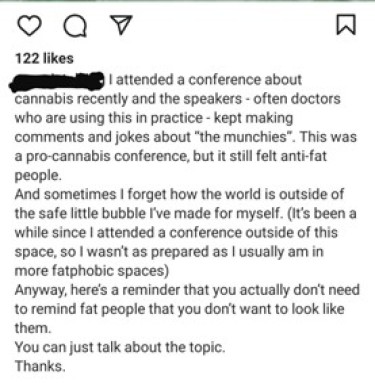
A recent Reddit Post illustrated a comment on the “Fatphobic” nature of cannabis conferences due to the mentioning of munchies. The question then being, is talking about eating shaming fat people?


For context, prior to engaging in the rest of the article, I’ll post the original screen shot of the comment here;

cannabis shaming

As you can see here, the person in question was attending a conference and found that talking about “the munchies” was a direct assault on fat people.


We would have to assume that the original poster of this comment must be overweight and as a result feels some sort of shame for their current bodily configuration.


However, this is all fine but there was a particular phrase within the comment that revealed a deeper revelation about what’s happening in the world. It was the phrase, “And sometimes I forget how the world outside of the safe little bubble I’ve made for myself. (It’s been a while since I attended a conference outside of this space, so I wasn’t prepared as I usually am in more fatphobic spaces).


This right here – in my opinion – is one of the major reasons we are seeing this cultural clash play out in the public space. This brings us to a matter of subjectivity, the imposition of self on others, and whether or not the world should bend to suit your personal narratives.


So why don’t you go ahead and grab a joint or a bong, sit back and explore these concepts with me.


Why Personal Bubbles Pop!


Let’s tackle this very first aspect of the comment, “the safe little constructed bubble”. While having a “safe space” in theory seems like a good idea, the fact of the matter is that nowhere is empirically safe. Safe is a subjective concept meaning that what you consider “safe” is not necessarily “safe” for someone else.


A “safe space” in essence is a place where you can freely express yourself without the fear of retaliation from others. In other words, it’s a place where “YOU” are always right and nobody else can say anything to disrupt this.


While it’s good to nurture your own self-worth and dialogue with your unconscious self regularly, there has to be a sense of objectivity to your actions. Think of it this way, when your world is subjectively constructed around your personal narrative, and the external world doesn’t reflect this idealized version of reality – whenever the “consensus reality” crashes into your bubble…it pops!


Suddenly, you’re exposed, outnumbered and vulnerable. How you can feel “safe” now that counter-narratives invaded your space. How can you “unhear” these narratives?


The truth of the matter is that you can’t un-hear these narratives. You can either redirect or reconstruct the narrative to suit your own, accept it as part of the consensus reality, or try to fight it in order to have the world bend to your will.


Often times, people who subscribe to the idea of a “safe space” would go on the offensive, trying to change the world’s perspective on their subjective experience of it. This often backfires and swings the pendulum further away from their truth.


But why does it matter? Why is it necessary for some to completely snuff out the narrative of the other? I believe it’s because the counter-narrative illuminates the shaky foundations of their internalized and sustained belief.


They can detect hints of truth within the counter-argument, which in turn creates a sense of “inauthenticity” in their lives. If their current actions that are attributing to their internalized problems, are also a part of the reason they are suffering – they choose to blatantly ignore these elements in order to repair their damaged internal image.


In the case of the OP, calling “talking about the munchies” as Fatphobic, is to say assert that “eating is not the reason why some people get fat”. When in reality, we know that exercise, a proper diet, and a well-balanced psychology all form part of weight retention.


To ignore this fact is to make oneself willfully ignorant to their own problems. It also means that if anyone hints at this truth that it would be interpreted as a direct assault to the person holding these views.


In turn, they isolate themselves further into their “Safe Spaces”, finding people who hold similar views and building up a “world view” according to their niche community.


Unfortunately, even within communal disillusionment, consensus reality will inevitably pop those bubbles en-masse.


Why it’s better to become comfortable in “unsafe spaces!”


We essentially want a “safe space” in order for us to sleep, rest, heal, and be ourselves. This is the purpose of an environment of this nature. This is why we have homes, bedrooms, etc. However, you don’t live solely in these spaces and never venture out into the world for a fear of “something bad” happening to you.


Well – some people do, but they typically have psychological condition that amplifies their discomfort and perceived hostility of their environment.


Ironically, it’s during these hard times that a safe space can provide a temporary platform so you can heal, but you cannot outsource this safe space into the world.


The “world” by definition is a hostile place where everything is heading towards chaos – everything is in a state of Entropy.


This reveals to us two major truths;


  1. Your safe bubble is a space that remains stagnant in a world that is in constant evolution

  2. What you found hostile before might have evolved with the time, the culture, etc.


What this means is that as long as you remain in your “safe space” the world outside continues to evolve and change. The moment you feel “protected” against the old narrative, you find that in the time you excluded yourself from the global conversation that you now face multiple new narratives – once more challenging your original position.


It’s far better to become mindful of your problems and to learn how to be okay while you’re in a difficult spot. To address the root cause of your unhappiness and why this particular idea is triggering you so much.


Perhaps, in the case of the overweight individual – if diet is such an important element to eating, it would return the responsibility of weight back onto the individual. It would mean that being fat is a choice and it would cost “effort” to change this. Effort the individual isn’t willing to pay.


Perhaps it also reveals a deeper underlying issue – their addiction to the food.


However, if you want to “stop feeling” bad for these narratives – it’s probably best to:


  1. Truly analyze the source of your problems, identify if there’s anything YOU can do

  2. Learn to Love yourself through the discomfort

  3. Make the appropriate changes if you are unhappy with your current situation


These are the most effective ways to deal with any kind of problem.


But…but…but…cue the excuses!


The moment when the responsibility is shifted back to the individual is the moment the excuse monster wakes up. It begins finding all the reasons why you can’t do X, Y or Z.


“I’m poor and can’t possibly!”

“I’m overweight because of genes!”

“I can’t get ahead in life because of ____(fill in the blank)”


This in essence is the victimization of self and removes all responsibility and power away from the individual. I’m not saying there aren’t factors that make it “harder” for some than for others.


For example, it’s far more difficult if you are overweight to start working out than if you are fit and on your ideal weight. This is because over time, you form habits and a certain type of gravity towards particular actions and non-actions.


There’s a momentum in your life.


Breaking this momentum requires effort, changing directions of the momentum even more – but with enough persistence, you can create a new direction and momentum towards what you truly want in life.


This is all a part of the Great Cosmic Automation and when you understand this, you can shape your habits to lead towards your ideal life as opposed to being subjected to the power of your current internal automation.


The book “Atomic Habits” talk about this in great detail.


Your excuses or “reasons” for why you can’t will always be the factor that stands between you and the happiness or acceptance you desire. And if you’re making a safe space to hide in, where the world can’t dialogue with you and where you can’t update your own internalizations according to the “global script” – then you’ll become a victim even when a comment isn’t directed towards yourself.


May this post put a mirror to our own justifications


The person in the post that felt the aggression from the speakers at that cannabis convention is a more extreme example of what we all do in various situations. We believe that the world needs to behave our criteria when in reality, the world gives zero fucks about any one of our personal belief systems.


There will always be people who hate you for a wide number of reasons, others that will love you for the same. At the end of the day, none of that matters except how you feel about yourself. If you need other people to affirm your identity then it means that you’re not living your authentic self.


You are merely a forgery of what you could be, and you’re either too afraid or too lazy to make the right changes to invoke your best self. Nonetheless, this is something that applies to us all…so instead of shitting on the victim of self-induced fat-shaming, let’s look at ourselves and make better choices.


Pop your safe space bubble and step into the real world. It’s not as bad as you think!


CANNABIS AND THE MUNCHIES, READ THIS…

WHY DOES CANNABIS CAUSE THE MUNCHIES

CANNABIS AND THE MUNCHIES, WHY DOES IT ALWAYS HAPPEN?

[ad_2]

Source link

Almost 40% of Millennials Smoke Weed More Than Once a Day Says New Study

Almost 40% of Millennials Smoke Weed More Than Once a Day Says New Study

[ad_1]

millennials using cannabis

Study: 39% of Millenial Cannabis Users Consume Multiple Times Per Day


While the general perception about cannabis suggests it is still taboo, the millennial generation is working actively to change this outlook. The millennials have been the pioneers of adult use of cannabis and a big reason why 9 states reviewed cannabis reforms since 2012.


Unlike Baby Boomers, Millennials have proven to be open-minded to new experiences, hence, becoming major drivers of social development. Not only is the Millennial generation changing the societal perception about cannabis, but they also contribute a lot to the evolution of the cannabis industry.


Millennials and the Cannabis Industry

Similar to other consumer goods sectors, Millennial consumers largely dominate the U.S cannabis industry. Now, marketers are innovating new ways to reach this demographic as they search for ways to grow their businesses. Presently, there are about 72 million Millennials in the United States, which makes the generation the largest cohort by population.


The Millennials (individuals born between 1981 and 1996) are now between their late 20s and mid-40s make up a larger percentage of cannabis consumers (38%), followed by Gen X (29%), then Baby Boomers (19%), and Gen Z (13%).


According to Gary Allen the CEO of New Frontier Data, Millennials are active participants in the cannabis industry given the generation witnessed a rapid change in cannabis-related policies and societal attitudes. He added that these young adults witnessed the normalization of cannabis use and the mitigation of negative conceptions about the plant. Now, the generation is playing active roles in the legal cannabis industry both as champions of change and as participants.


Shedding more light on Millennial cannabis preference and consumption habits, New Frontier Data, a market, and analytics research company carried out a new survey.


The New Frontier Data Survey


The New Frontier Data survey was carried out to have a better insight into the unique behavior and attitudes of millennials exhibited towards cannabis. The survey discovered that 39% of millennials who use cannabis usually consume weed several times every day. This was confirmed in a press release published to the general public.


In the past years, cannabis use by millennials has increased across the board. New Frontiers, quoting survey data between 2017 and 2020, noted that there’s been an increase in cannabis use among respondents between the ages of 30 and 34. The survey showed an increase of 36% among the 30 to 34 age group. The figure further increased to 51% among millennials of the 35 to 39 years age group.


Of the total consumption, about 62% of consumption was primarily for adult use. Millenials list relaxation as one of the prime reasons for cannabis consumption. Other reasons that come next are stress relief and treatment of anxiety.


As regards product preferences, the survey indicated that 63% of Millennials use both non-flower and flower products while just 14% of the respondents claim to exclusively use other forms of cannabis. Among the 14%, majorities turn out for being females with 20% of millennial women opting not to smoke compared to just 9% of millennial men. Millennials mostly consume cannabis via joints(24%) followed by edibles (15%), weed (12%), vapes (9%), and bongs ranking least with just 6%.


The New Frontier survey also indicated that millennials mostly prefer to buy cannabis from brick-and-mortar stores and retailers. 35% of the respondents claim that brick and mortar retailers are their primary source while 26% identified they get their cannabis from family and friends. Another 20% claim they still rely on private dealers while 13% make use of delivery services. For every purchase, the survey showed that millennials are likely to buy cannabis worth $200 or more. Approximately 50% of millennials purchase between $50 and $200 worth of cannabis.


The survey also explored what millennial consumers do while using cannabis. Across all generations, listening to music and watching movies/TV at home ranked the most common activities. Apart from these, millennials also indicated other consumption activities, working inclusively which is backed by their full-time employment rates. According to the survey, millennials indicated other activities which included reading (20%), bonding with friends(38%), general chores and cleaning (35%), playing video games (41%), and eating (43%)


In an attempt to make a solid conclusion, New Frontiers upheld the centrality and active roles millennials play in the United States cannabis legal reforms and the general cannabis industry. The millennial generation illustrates an intricate knowledge of cannabis above any other age group and their enthusiasm is backed by their willingness to spend.


While millennials already play important roles in the cannabis industry, more is still expected from the generation. Many expect that the generation will spearhead the adoption of public consumption areas and will fasten the speed of cannabis reform as they continue to fill up elected offices. With such power in elected offices, they will be able to affect cannabis reform changes even at the federal level shortly.


Other vital findings from the survey;


Conclusion

While the general perception about cannabis and its use remains taboo in the United States, the millennial generation is doing everything in its power to address the misconceptions and make cannabis a non-controversial topic.


With so much support from the millennial generation, cannabis reform is bound to happen across all states in America. New regulations will be set in place and the cannabis industry will foster beyond expectation. By then, the older and younger generation will see cannabis in a new light and accept it for what it truly is – a gift from Nature.


MILLENNIALS AND WEED, READ MORE…

MILLENNIALS TALKING TO BOOMERS ABOUT WEED

MILLENNIALS TALKING TO BOOMERS ABOUT WEED?

[ad_2]

Source link

Why China Will Never Legalize Cannabis

Why China Will Never Legalize Cannabis

[ad_1]

china legalize marijuana

Will China Ever Legalize Marijuana?

A Nightmare Worthy Of George Orwell – The Chinese Government Never Wants Its Citizens To “Wake Up”


China, a global superpower in the world, a country responsible for numerous inventions that have helped save humankind, is now living in a dystopian nightmare that has eerily too many similarities with George Orwell’s famous book, 1984.


In fact, internet users in China aren’t even allowed to type “1984” in social media, and copies of Orwell’s dystopian novels are banned. The novel is set under a fictional regime of constant state surveillance and censorship. The citizens in the book are carefully monitored by “Big Brother” and are made to practice “double think” and only talk in a state-controlled language known as “newspeak.”


Talk about double standards.


An article by Brookings discusses how visualization and police informization is driving Chinese surveillance systems. The communist government has numerous methods of collating massive volumes of data on its over 1.4 billion citizens: from surveillance cameras in the streets to medical history, e-commerce, travel, WeChat, and more, the repressive nature of its surveillance tactics feel like a huge step backward.


On top of that, they place a strict focus on “focus personnel”, who are citizens that are deemed by the government to undermine social stability, or people petitioning the government.


Naturally, the communists have a strict stance against drugs – and all kinds of it. According to the Chinese government, all kinds of drugs pose a serious hazard which is why they take drug control seriously. While Chinese society has, just like many other countries, also suffered from the ills caused by deadly street drugs such as methamphetamine – as well as heroin and fentanyl.


But will the world’s global superpower ever legalize marijuana?


It seems unlikely not, even though it’s extremely ironic that some of the oldest evidence of marijuana consumption has been found in China. Researchers discovered that marijuana was burned for its intoxicating plumes around 2,500 years ago, in a plateau in Central Asia. They also found more evidence of Sogdian culture, an ancient people from western China as well as Tajikistan who followed Zoroastrianism, a religion that appreciated the benefits of cannabis according to their sacred texts.


In addition, both cannabis and hemp were used in China’s early history, part of making traditional Chinese medicine, fibers, textile, and more.


No matter which way you put it, marijuana is an entheogen, plant-based chemicals that induce an unusual state of consciousness. These types of plants have been used since ancient times for spiritual and religious purposes, as many cultures believed that these hallucinations and experiences allowed them to dialogue with the gods among others.


For example, peyote was consumed in Mesoamerica for some 2,000 years is still widely used by the Huichol tribes of Mexico. “For the Huichol, peyote serves as the central sacrament of their rituals,” explains anthropologist Paul Liffman, who has been studying the tribe for many years. “It is taken to illuminate the user, to lighten them from inside,” he adds.


Meanwhile, magic mushrooms and ayahuasca have long been considered “plant teachers” in Latin American nations. Indigenous tribes especially those that reside in the Upper Amazon have had a long history of using ayahuasca which they consider a sacred brew, used for rituals (known as Shipibo) and healing purposes.


Today, cannabis is the most widely accessible and popularly used entheogen. While it was also used for spiritual and religious reasons in the past, people still do so in current times. In a study published in the Journal of Cannabis Research, a survey was sent out online through private messaging and asked 319 participants from various online communities about their experiences with psychedelics and cannabis as well as association to religious traditions, spiritual practices, and motivations for cannabis and psychedelic use.


The results found that 69% of participants used psychedelics and cannabis for spiritual purposes, and 25% of them had a spiritual motivation for using the drug.


Marijuana Will Cause Chinese People To “Wake Up” – And That’s Why It Will Never Be Legalized


Given the effectiveness of entheogenic drugs to ‘wake up’ one’s mind, start discussions about one’s freedom and true feelings, get in touch with your ego, roots for mental health problems and the like, it isn’t surprising why the Chinese communist government will never allow its citizens to consume it legally.


Human rights is a dire problem in China: people simply do not have the freedom of expression, or access to other basic human rights. They are harassed and tortured by the government if they even speak up. Whereas in North America, lobbies for legalizing marijuana on the street are normal, parents speak up if they can’t get access this life-saving medicine for their sick children, and we talk about how marijuana makes us feel – on the internet, all the time. The fact that we can even write and publish these articles – it would be a far cry for it to happen in China, ever. 


The citizens are badly in need of psychiatric and psychological help after having to be under all that mental and physical repression in their own home. The government even goes as far as using mental illness to discredit any dissidents, and in some cases will force their own people to be confined at psychiatric hospitals if they speak badly about the regime.


For as long as people don’t have freedom of speech and expression in China, they will never be able to experience the therapeutic benefits of marijuana, which is extremely disheartening. China will constantly be in the shadows unless a progressive government takes over.


CHINA AND WEED LEGALIZATION, READ MORE…

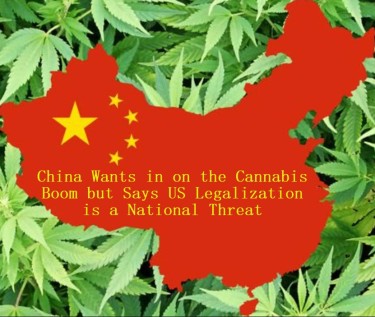
CHINA CANNABIS LEGALIZATION BOOM

DOES CHINA WANT IN ON THE CANNABIS GREEN RUSH?

OR..

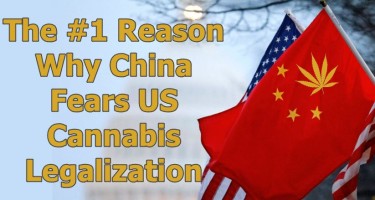
CHINA FEARS US LEGALIZATION

CHINA FEARS US LEGALIZATION, WHAT IS THEIR NEXT STEP?

[ad_2]

Source link

How Many Different Types of THCs Are There on the Market? (Which One is the Strongest?)

How Many Different Types of THCs Are There on the Market? (Which One is the Strongest?)

[ad_1]

different thcs on the market

A lot of cannabis users are very familiar with Delta 9 THC and the effects it has on our bodies and mind. At a basic level, an average cannabis consumer recognizes that the major psychoactive compound present in cannabis is THC – it is responsible for the high feeling one gets after cannabis use.


However, what many consumers don’t know is the number of THCs there are. So, in this article, we’ll briefly talk about 15 distinct THC compounds. Although more THCs still exist, these 15 are the most common ones. Let’s begin!


THCA – Tetrahydrocannabinolic Acid

THCA is the natural THC present in all raw marijuana plants. However, once raw cannabis is heated THCA frees its carboxylic acid group, transforming to delta 9 THC. This entire process is called decarboxylation.


THCA can be found everywhere in a cannabis plant. It is present in the leaves, flowers, and stems. The psychoactive effects of THCA in itself are minimal, so don’t expect much from it. Although some chew on the stems and leaves to get some relaxing effects. However, once decarboxylation occurs, the mind-altering psychoactive effects come into play 


Delta 3 to 7

‘Delta’ is a term used in chemistry to signify the location of a double bond on a carbon chain molecule. When it comes to THC, there are many variations. For instance, with the popular delta 9, the double bond is on the 9th carbon chain. This means the location of a double on a carbon chain gives an entirely different variety of THC.


This means Delta 7 THC, Delta 6 THC, Delta 5 THC, Delta 4 THC, and Delta 3 THC are synthetic isomers of Delta 9 THC. These isomers were formulated in the lab between 1940 and 1970 to create various THC versions that could medically help patients. Not just that, different variants were also created to tackle problems like stability and shelf life.


Delta 8, 9, and 10 

The most common type of THC is Delta 9. When people talk about THC more times than not, they are referring to Delta 9 THC. This is because it is the primary psychoactive compound present in cannabis plants.


But what happens when Delta 9 ages? Well, when Delta 9 THC degrades and oxidizes, what we get is a large quantity of CBN (a cannabinoid) and a small amount of Delta 8 and other travel compounds and cannabinoids. This oxidation gives Delta 8 a more stable property, causing it to have more medical applications compared to Delta 9. However, Delta 8 THC is naturally available in minute amounts in cannabis plants, so it is often synthesized in the lab.


As for Delta 10 THC, it is a completely synthesized cannabinoid discovered through serendipity. The Delta 10 THC trend kicked off in California when Fusion Farms accidentally produced crystals that were slightly different from the usual cannabinoids. Hence, the new THC synthesized was dubbed delta 10 THC.


11-hydroxy-THC

11-hydroxy-THC is not a cannabinoid when examined closely. It is more of a metabolite our bodies create when we consume THC in a specific way. When plant-based THCs like delta 9 or delta 8 THC are eaten, the body digests them and metabolizes them courtesy of the liver. The resulting metabolite formed is 11-hydroxy-THC, a more powerful tetrahydrocannabinols than delta 8 and delta 9.


This entire process is called the first-pass metabolism and this is why orally ingesting cannabis products gives a prolonged and more intense effect than smoking. For this reason, delta 8 edibles are just as potent as delta-9 edibles but similar things can’t be said to go vape or flower products.


THCV, THCP, and THC-O

Tetrahydrocannabivarin, or THCV is a naturally occurring THC analog. It comes from the breakdown of CBGVA, a precursor cannabinoid into tetrahydrocannabivarin acid (THCVA). An interesting thing about THCV is its interaction with the endocannabinoid system and its effects on weight and appetite. 


Meanwhile, Tetrahydrocannabiphorol (THCP) is a distinct THC analog-type known as a homolog. Homologs are molecules that belong to a compound series that differs by a reacting unit from each other. In this case, the alkyl side chain is the repeating unit. While Delta 9 THC has an alkyl side chain of 5 terms, that is, it has 5 carbon atoms in total, THCP has an alkyl side chain of 7 terms.


THC-O

THC-O-Acetate is a byproduct of a distinct decarboxylation type known as LTA decarboxylation. This decarboxylation process is quite different from the usual light or best-induced decarboxylation method. LTA decarboxylation makes use of lead tetraacetate, a very toxic compound to stimulate oxidative decarboxylation which results in the formation of acetate ester.


THC-O is not naturally occurring and can only be manufactured using this process. To this end, THC-O is a synthetic delta 9 analogs. While it has gained some popularity, it is vital to note that it is a compound present in any quantity in the cannabis plant.


Just Discovered – THCB and THC

delta 9 Tetrahydrocannabihexol or Tetrahydrocannabihexol, and cannabidiol (CBDh) were discovered by the same group of Italian scientists who first isolated CBDP and THCP. These phytocannabinoids were discovered in 2020, and that was found to be a hexyl delta 9 THC homolog. Instead of an alkyl side chain like most THCs, THCh holds an n-hexyl side chain. 


A similar situation also applies to THCB (tetrahydrocannabutol). While little information is available on this THC, it is also a delta 9 THC homolog but the major difference is the alkyl side chain being replaced by a butyl side chain.


So, which THC is the strongest?

The answer to this question isn’t straightforward. Referring to the strongest THC depends on some factors. Is it in terms of consumption methods or product types? To further elaborate, if what you need is the strongest smokable THC, then the answer would be THC- I. The downside here is that the THC is completely synthetic and its long-term effects remain unknown.


On the other hand, if you need a naturally occurring THC, then THCP would be the most powerful. Sadly, it comes in trace amounts, so you won’t find plenty of it in raw flowers. Thankfully, THCP usually comes in concentrates so you can just buy that. However, if you like to eat edibles, 11-hydroxy-THC is your best bet since it is a very potent metabolite form of delta 8 and delta 9 THC. But if you don’t like edibles, you will be having none of 11-hydroxy-THC.


Conclusion

In today’s market, varieties of cannabinoids are certainly not lacking. However, a lot of these THCs are not pharmaceutically or commercially available but it’s a joy to know that varied variants of psychoactive compounds are constantly being discovered.


MORE ON DELTA THCs, READ THIS…

different in delta 8 thc delta9 thc and delta 10 thc

WHAT IS THE DIFFERENCE BETWEEN DELTA-8, 9, AND 10 THC?

[ad_2]

Source link

The DIY CBD Tincture Recipe That You Can Make at Home

The DIY CBD Tincture Recipe That You Can Make at Home

[ad_1]

how do you make cbd tintures at home

The use of herbal tinctures for its therapeutic benefits has been around for many centuries.


In fact, experts estimate that tinctures have been used since the 12th to 17th centuries primarily for teaching medicine. Tinctures are essentially highly concentrated extracts of herbs that are made by soaking up medicinal herbs in oil, alcohol, or vegetable glycerin. Even cannabis indica tinctures could be purchased in pharmacies until the 1920’s, though the use of tinctures declined when pharmacology began using pills to treat illnesses.


However, the use of tinctures are on the rise once again. More people are becoming aware of the benefits of using natural and herbal tinctures, making them a wonderful way to medicate with a variety of herbs especially when one doesn’t have the luxury of time.


Cannabis tinctures are no different. Even though there are numerous ways you can consume marijuana for its medicinal benefits, consuming through tinctures by placing it underneath your tongue has proven to be one of the quickest ways to absorb cannabinoids, terpenes, and other therapeutic compounds in the plant for quick relief. And since cannabidiol (CBD) doesn’t have any psychoactive properties, it has become the medicine of choice for millions of people around the world who need fast-acting and effective relief from a myriad of symptoms including pain, inflammation, insomnia, anxiety, epilepsy, Parkinson’s disease, and so much more.


There are other benefits to using CBD tinctures, aside from the fact that they are concentrated and fast acting – you only need a miniscule amount to feel its benefits. Additionally, CBD tinctures are low in calories and don’t contain other unwanted ingredients like preservatives and additives because they don’t need flavoring. They simply go underneath the tongue to work and don’t have to taste as flavorful as edibles.


Having said that, making your own CBD tinctures at home is so easy. It’s a wonderful way to have full control over all the ingredients that go into these tinctures so that you can medicate yourself and your family whenever needed.


What You’ll Need


Since hemp is federally legal all over the country, buying hemp is the first step to making CBD tinctures. The reason why we choose hemp plants over marijuana is because hemp contains much more CBD than marijuana. In addition, hemp contains under .3% THC, which means you won’t experience any high from it.


Making tinctures is easy, even if you’ve never done so before.


  • ¼ ounce hemp flowers

  • Parchment paper

  • Baking sheet

  • Glass jar with lid

  • 190-proof Everclear alcohol, or a 200-proof food grade alcohol

  • 1 oz. amber glass dropper bottle

  • Mesh strainer

  • Cheese cloth

  • Bowl


*Note: you can also use oil instead of alcohol, and if you decide to use this method, be sure to use equal amounts of decarboxylated hemp to oil, such as 440g of flower to 500ml olive/MCT/coconut oil.


Process


  1. Grind the hemp flowers and carefully remove any seeds and stems if you find any.

  2. Preheat your oven to 250F to prepare the stash for decarboxylation, which is necessary in order to activate the CBD.

  3. Scatter the hemp flower on a baking sheet that has been lined with parchment paper.

  4. Roast the CBD flowers for 45 minutes, but check on it every 10 minutes or so and turn the flowers around to ensure uniform decarboxylation. The kind of finished texture you are looking for is when the hemp flower easily crumbles when held between your fingers. However, you can opt to decarb for longer, up to 2 hours, if you want even more potent CBD as well as terpene expression.

  5. Once done, let the hemp flowers cool for 15 minutes.

  6. Place the hemp flowers into the glass jar, and fill it up completely with the alcohol. Ideally, the hemp flowers should fill up around 2/3 of the jar.

  7. Seal the lid on tightly, shake it vigorously, then leave it in a cool, dark spot inside your house for 4 weeks. During this time, the alcohol will extract the therapeutic compounds from the hemp flower. Give the bottle a good shake 2-3 times a week while waiting for this process to complete.

  8. Once the cure time has finished, pour the tincture through a cheesecloth to separate the flower from the liquid.

  9. Pour the tincture into the glass jar with dropper, so that you can simply drop it underneath your tongue whenever needed.


When the tincture is not in use, always keep it in a cool, dry place to ensure a long shelf life.


Using CBD Tinctures


Now it’s time to try your CBD tinctures.


For first-time users, the advise is always to start low and go slow. Start by placing one drop underneath your tongue and observe how you feel for a day. Remember that tinctures are highly concentrated, so a little goes a very long way. You can expect to feel its effects in 2-5 minutes. First-time users should be a in a safe setting, such as your home, that does not require you to drive.


CBD tinctures are also extremely versatile. Aside from placing them underneath your tongue, these are also great vehicles for easily infusing foods and drinks. Have some fun with it by adding a drop or two into your coffee, juices, smoothies, or even into baked goods. You can even add a few drops into other marijuana products, or use this as a base to create your own topicals right at home.


MORE ON MAKING TINCTURES, READ THIS…

WHAT ARE CARRIER OILS FOR CBD

WHAT ARE CBD CARRIER OILS FOR MAKING TINCTURES?

[ad_2]

Source link

Wee-Delivery Chatbox
!

Wee-Delivery Assistant

How can I help you?

Hi there! 👋 Welcome to Wee-Delivery. How can I assist you today?
Call us: 888-422-9658
Hours: Mon-Fri 9am-1pm, closed 2pm-6pm, then open until 11pm. Saturday 9am-11pm, Sunday by appointment.
Delivery minimum
Are you open now?
Service areas
Verification process
Payment methods
After hours
How to order
Call 888-422-9658