Is Cannabis Now Winning the Fight Against Cervical Cancer?

Is Cannabis Now Winning the Fight Against Cervical Cancer?

[ad_1]

cannabis for cervical cancer

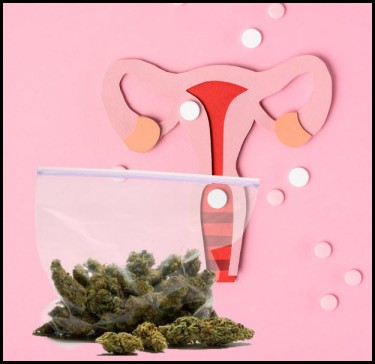
Cervical cancer affects the cervix, the part of the uterus that is linked to the female genitalia.


This cancer begins on the cervix surface, once the cells begin to multiply and some turn into precancerous cells or lesions. According to the World Health Organization, this is the 4th most common cancer among women. Most of these cases are due to exposure to human papillomavirus (HPV), one of the most widely spread sexually transmitted diseases. In some cases, HPV can resolve on its own although if there is persistent infection, then this can result in cervical cancer.


Treatments for cervical cancer include chemotherapy, radiation, surgery, or a combination of two of these. The type of treatment needed for cervical cancer will depend on the severity of the condition. However, the prognosis for women with cervical cancer depends greatly on the cancer stage; over 90% of women who have been diagnosed with stage 0 cancer can survive another 5 years, and these figures decrease rapidly the further the cancer has spread.


How Cannabis Can Help


There have been some studies showing how cannabis can help women with cervical cancer. In one analysis, 83% of 31 women with this condition reported that using medical cannabis was effective in helping their cancer and alleviating symptoms that arose due to treatment, such as reducing opioid use, a decrease in appetite, anxiety, nausea, insomnia, pain, and more.


Another study revealed that using cannabidiol (CBD) was effective in inducing apoptosis, or causing cancer cells to kill themselves off, in cases of cervical cancer patients among women in South Africa. The researchers believe that CBD was effective in doing so by activating a Bcl-2 degradation pathway which promotes the action of cancer cells killing themselves off.


There is also another popular study from 2016, conducted by researchers from Kent State University’s Department of Biological Sciences. They analyzed the impact of CBD on cervical cancer cell lines, and found that CBD was effective in inhibiting these cell lines while also encouraging apoptosis, within an impressive 24 hours after exposure to CBD. The researchers concluded that CBD is anti-proliferative through several mechanisms and has potential for treating cervical cancer. Also in 2016, a study released in the BMC Complementary and Alternative Medicine journal found that crude cannabis sativa extracts as well as CBD were effective in decreasing the viability of cancer cells while stopping proliferation when tested on three cervical cancer cell lines.


There are also documented anecdotal cases, such as this woman from New Zealand, who says that cannabis helped to cure her stage 2 cervical cancer. According to Shona Leigh, her doctors advised her to undergo chemotherapy, though she rejected her doctors’ recommendations and instead discovered the benefits of cannabis oil. She disclosed to the Daily Mercury that after taking cannabis oil, her cancer was cured.


Cannabis for The Side Effects of Chemotherapy for Cervical Cancer


For women that have to undergo chemotherapy for cervical cancer, there may be some unpleasant side effects that are commonly associated with this treatment. Cannabis can help too, improving prognosis because it can mitigate the effects that can sometimes prevent people from continuing chemotherapy.


There have been many studies proving the efficacy of cannabis for the side effects of chemotherapy. One study in 2020 was conducted by researchers from the University of Sydney together with the NHMRC Clinical Trials Centre and the Chris O’Brien Lifehouse. The researchers found great improvements among patients who suffered from nausea and vomiting caused by chemotherapy among a quarter of patients who were taking medical cannabis. “These encouraging results indicate medicinal cannabis can help improve quality of life for chemotherapy patients,” said Associate Professor Peter Grimison. “Nausea and vomiting are among the most distressing and feared consequences of chemotherapy,” he adds.


A study from 2014 showed that using CBD was helpful in decreasing neuropathic pain, one of the side effects of chemotherapy. The study involved administering healthy mice with chemotherapy drugs thrice a week, which went on for 10 weeks. Half of the mice were also given CBD together with chemotherapy, and it was found that the chemotherapy made the mice more sensitive to stimuli. However, those that were given CBD were found to have a higher pain threshold.


Tips For Cervical Cancer Patients


If you are interested in integrating cannabis to your cervical cancer treatment, it’s always wise to let your oncologist know ahead of time. Working with a doctor who is knowledgeable with the use of medical marijuana can help you navigate the often overwhelming world of medicating, especially for first-time users. This is especially critical if you are taking other medications such as blood thinners, because cannabis use can have interactions with other pharmaceutical drugs.


While there have been patients who have foregone conventional treatment altogether, there is not sufficient evidence that only medical marijuana can treat terminal conditions such as any kind of cancers. Because of this, cannabis may work best in conjunction with other treatments that your medical provider has recommended. Feel free to ask your doctor as many questions as you need to feel confident about using marijuana for treating cervical cancer. It’s available in many forms though for terminal patients, smoking or vaping may not be the best route of administration. Instead, opt for edibles, oils, and sublinguals which are safer to take and are gentler on the body.


More research onto the use of cannabis for various cancers is ongoing, though the present evidence that we have supports the potential use of cannabis as complementary treatment for cancers. CBD and cannabis products can have life-changing benefits for those struggling with the Big C.


MEDICAL MARIJUANA FOR CERVICAL CANCER, READ MORE…
CANNABIS AND CERVICAL CANCER RESEARCH

CANNABIS AND CERVICAL CANCER RESEARCH, WHAT WE NOW KNOW!

OR..
MARIJUANA STRAINS CERVICAL CANCER

MARIJUANA STRAINS FOR CERVICAL CANCER PATIENTS!

[ad_2]

Source link

Is Cannabis Now Winning the Fight Against Cervical Cancer?

Is Cannabis Now Winning the Fight Against Cervical Cancer?

[ad_1]

cannabis for cervical cancer

Cervical cancer affects the cervix, the part of the uterus that is linked to the female genitalia.


This cancer begins on the cervix surface, once the cells begin to multiply and some turn into precancerous cells or lesions. According to the World Health Organization, this is the 4th most common cancer among women. Most of these cases are due to exposure to human papillomavirus (HPV), one of the most widely spread sexually transmitted diseases. In some cases, HPV can resolve on its own although if there is persistent infection, then this can result in cervical cancer.


Treatments for cervical cancer include chemotherapy, radiation, surgery, or a combination of two of these. The type of treatment needed for cervical cancer will depend on the severity of the condition. However, the prognosis for women with cervical cancer depends greatly on the cancer stage; over 90% of women who have been diagnosed with stage 0 cancer can survive another 5 years, and these figures decrease rapidly the further the cancer has spread.


How Cannabis Can Help


There have been some studies showing how cannabis can help women with cervical cancer. In one analysis, 83% of 31 women with this condition reported that using medical cannabis was effective in helping their cancer and alleviating symptoms that arose due to treatment, such as reducing opioid use, a decrease in appetite, anxiety, nausea, insomnia, pain, and more.


Another study revealed that using cannabidiol (CBD) was effective in inducing apoptosis, or causing cancer cells to kill themselves off, in cases of cervical cancer patients among women in South Africa. The researchers believe that CBD was effective in doing so by activating a Bcl-2 degradation pathway which promotes the action of cancer cells killing themselves off.


There is also another popular study from 2016, conducted by researchers from Kent State University’s Department of Biological Sciences. They analyzed the impact of CBD on cervical cancer cell lines, and found that CBD was effective in inhibiting these cell lines while also encouraging apoptosis, within an impressive 24 hours after exposure to CBD. The researchers concluded that CBD is anti-proliferative through several mechanisms and has potential for treating cervical cancer. Also in 2016, a study released in the BMC Complementary and Alternative Medicine journal found that crude cannabis sativa extracts as well as CBD were effective in decreasing the viability of cancer cells while stopping proliferation when tested on three cervical cancer cell lines.


There are also documented anecdotal cases, such as this woman from New Zealand, who says that cannabis helped to cure her stage 2 cervical cancer. According to Shona Leigh, her doctors advised her to undergo chemotherapy, though she rejected her doctors’ recommendations and instead discovered the benefits of cannabis oil. She disclosed to the Daily Mercury that after taking cannabis oil, her cancer was cured.


Cannabis for The Side Effects of Chemotherapy for Cervical Cancer


For women that have to undergo chemotherapy for cervical cancer, there may be some unpleasant side effects that are commonly associated with this treatment. Cannabis can help too, improving prognosis because it can mitigate the effects that can sometimes prevent people from continuing chemotherapy.


There have been many studies proving the efficacy of cannabis for the side effects of chemotherapy. One study in 2020 was conducted by researchers from the University of Sydney together with the NHMRC Clinical Trials Centre and the Chris O’Brien Lifehouse. The researchers found great improvements among patients who suffered from nausea and vomiting caused by chemotherapy among a quarter of patients who were taking medical cannabis. “These encouraging results indicate medicinal cannabis can help improve quality of life for chemotherapy patients,” said Associate Professor Peter Grimison. “Nausea and vomiting are among the most distressing and feared consequences of chemotherapy,” he adds.


A study from 2014 showed that using CBD was helpful in decreasing neuropathic pain, one of the side effects of chemotherapy. The study involved administering healthy mice with chemotherapy drugs thrice a week, which went on for 10 weeks. Half of the mice were also given CBD together with chemotherapy, and it was found that the chemotherapy made the mice more sensitive to stimuli. However, those that were given CBD were found to have a higher pain threshold.


Tips For Cervical Cancer Patients


If you are interested in integrating cannabis to your cervical cancer treatment, it’s always wise to let your oncologist know ahead of time. Working with a doctor who is knowledgeable with the use of medical marijuana can help you navigate the often overwhelming world of medicating, especially for first-time users. This is especially critical if you are taking other medications such as blood thinners, because cannabis use can have interactions with other pharmaceutical drugs.


While there have been patients who have foregone conventional treatment altogether, there is not sufficient evidence that only medical marijuana can treat terminal conditions such as any kind of cancers. Because of this, cannabis may work best in conjunction with other treatments that your medical provider has recommended. Feel free to ask your doctor as many questions as you need to feel confident about using marijuana for treating cervical cancer. It’s available in many forms though for terminal patients, smoking or vaping may not be the best route of administration. Instead, opt for edibles, oils, and sublinguals which are safer to take and are gentler on the body.


More research onto the use of cannabis for various cancers is ongoing, though the present evidence that we have supports the potential use of cannabis as complementary treatment for cancers. CBD and cannabis products can have life-changing benefits for those struggling with the Big C.


MEDICAL MARIJUANA FOR CERVICAL CANCER, READ MORE…

CANNABIS AND CERVICAL CANCER RESEARCH

CANNABIS AND CERVICAL CANCER RESEARCH, WHAT WE NOW KNOW!

OR..

MARIJUANA STRAINS CERVICAL CANCER

MARIJUANA STRAINS FOR CERVICAL CANCER PATIENTS!

[ad_2]

Source link

Who Buys the Most Weed in America? Gen Z Passes the Baby Boomers for Biggest Cannabis Customers!

Who Buys the Most Weed in America? Gen Z Passes the Baby Boomers for Biggest Cannabis Customers!

[ad_1]

gen z buys weed

While a larger percentage of Generation Z aren’t old enough to purchase cannabis, the small percentage can have proven to be huge consumers. And now with 420 becoming one of the biggest ceremonies across the United States, cannabis consumption and sales have increased with Gen Z’s huge consumers.


Over the years, Gen Z consumption has increased especially as cannabis legalization across the United States continues to gain ground. Over the last 5 years, Gen Z cannabis consumption has increased significantly with data from Headset, an analytics company backing up the claims.


Gen Z Cannabis Consumption in 2021

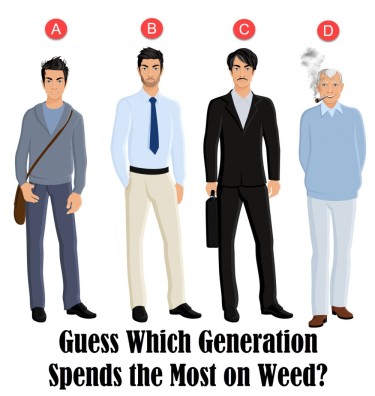
According to data provided by Headset, an analytics company, the first half of 2021 saw Gen Z overtake Baby Boomers in terms of overall marijuana sales for the very first time across four legal states. Looking at the current trend, Cooper Ashley, a senior analyst at Headset affirmed that Gen Z in the next 10 to 15 years will become the largest generation in terms of overall cannabis sales.


Only a small percentage of Gen Z, roughly 9 to 24 years old, are eligible to legally buy cannabis. Even that, the age group now accounts for 12.7% of cannabis sales in Colorado, California, Washington, and Nevada. This data collected in the first of 2021 shows an increase of 4% compared to 2020.


In the same year, Baby boomers accounted for 12.1% of the overall sale which was a decrease from 13.9% in 2021. This means Gen Z for the very first time surpassed Baby Boomers in terms of overall cannabis sales. Even the almighty millennials lost market shares to Gen Z as they account for 51.8% of cannabis sales in 2021. This represents a decrease of 0.2% compared to 2020.


Now, as it currently stands,  store sales of cannabis have increased by 148% in 2022 according to the data provided by Headset. And what age group is buying all the cannabis products? Gen Z!, who is now legally old enough to buy cannabis.


A shifting demographic creates a fresh marketplace

As the cannabis industry continues to evolve and grow, so does its target market, from one generation to the next. As Gen Z comes of age, they are rapidly accepting cannabis, making new trends while the industry continues to change to meet demands.To this end, Headset decided to look into Gen Z and how they purchased cannabis on 420 this year. The analytic company looked into the purchases from basket sizes to product preferences. According to the Headset report, Gen Z cannabis consumers are the most involved, expanding their average daily spending on cannabis purchases.


While Gen Z Women purchase 25% more cannabis products, Gen Z men purchase 35% more compared to the previous week.


Gen Z’s Product Preference

On 420, beverages had the highest increase in sales, accounting for a 5 times increase compared to a usual day. Pre-rolls and edibles also showed great numbers on the said day. If this data directly translates to market direction, then vape pens are getting outdated.


Or it could just translate to Gen Z customers who were looking to buy cannabis supplies for the celebratory parties instead of their usual supply. Nonetheless, this data available could help retailers draw up the group as repeat customers. Maybe now is the right time to stock up on single-served items and more edibles as Gen Z continues to age into cannabis use for recreational purposes.


Total Cannabis sales among Gen Z

Total cannabis sales among Gen Z surged by 127% with a total of $370 million in 2018 to $850 million in 2020. When compared to that of millennials, that is about three times more than cannabis sales among millennials. According to the data provided, millennials recorded a surge in cannabis sales of 46% seeing an increase from $3 billion in 2019 to over $4 billion in 2020.


Ashley credited Gen Z’s remarkable growth to the fact that not all in the age group are eligible to purchase cannabis. Therefore, as more young adults in Gen Z come of age (21 years), sales will continue to increase. Ashley affirmed that with more Gen Z coming of age every single day, legal cannabis sales for the age group will continue to increase. With this trend, Gen Z will eventually become one of the most vital demographic groups in the industry.


The report also indicated that the increase in cannabis sales by age group also seems to be declining with older generations. Sales of cannabis among Gen X increased by 29% from $1.6 billion to 2 billion from 2019 to 2020. On the other hand, sales of cannabis among Baby boomers surged by 5% increasing from $970 million to about $1 billion from 2019 to 2020.


The Silent Generation (aged 75 to 95 years of age) was the only group that witnessed a massive decline in cannabis sales. The age group witnesses a decline of 18% from $50 million to about $40 million. This decline in sales among older generations could be a result of several factors, especially during the Covid pandemic. During this period, lots of consumers stayed at home to curb viral exposure.


Consumption Habits of Gen Z

The Headset report indicated that cannabis may have become an inherent culture for Gen Z compared to older generations who may see cannabis as a splurge. Meanwhile, as cannabis sales among Gen Z increase, interest in alcohol among young adults is declining.


It is said that this consumption habit among Gen Z could be a result of the impact of their distinct qualities. One thing about Gen Z is that they were born in an era when cannabis legalization took off. Medical use of cannabis was legalized in California in 1996. Oregon, Alaska, and Washington took the same step in 1998. Today, 18 states have legalized cannabis for recreational use, and 36 legalized states for medical cannabis use.


With so much cannabis legalization happening through Gen Z’s era, cannabis perception has changed and the generation seems to be more accepting of it. Now Gen Z sees cannabis as equal to alcohol and just another option of an intoxicating substance. 


Conclusion

Certainly, it may be too early to make conclusions on Gen Z’s product preferences and cannabis sales. However, if the present growth trend proves to be a solid pointer towards the market direction, Gen Z will be a vital consumer section for the cannabis industry shortly.


GENERATIONAL WEED, READ MORE…

GENERATIONS SPENDING ON CANNABIS

WHICH GENERATION SPENDS THE MOST ON WEED, READ THIS!

[ad_2]

Source link

The Battle for Cannabis Strain Naming Rights

The Battle for Cannabis Strain Naming Rights

[ad_1]

cannabis strain name battles

We are presently in the wild west era of the semi-legal and fully legal marijuana market. And as it stands, the height of creativity, cleverness, and chaos of cannabis culture is experienced the most on the terrain of strain names. However, as cannabis becomes more popular, there’s now the need to find a modern system of strain naming.


Certainly, we all have our favorite cannabis strain – the legendary Northern Lights, classic Sour Diesel, and the graceful White Widow. But the question remains how do people come about these names. To properly answer the question, there’s the need to go back in time to where it all began – the origin of strain naming. With that, we will be able to see how the practice evolved.


HISTORY OF STRAIN NAMING

Strain naming began in the 1960s when cannabis growers moved across the globe in search of cannabis with quality genetics in the bid to meet increasing demands. At that time, the strains were primarily named based on their country of origin. Early strains had names like Durban Poison, Columbia Gold, Panama Red, Afghan Kush, and so on.


As time went by, various cannabis strains were bred to enhance yield, pest resistance, flavor, and effects. Cannabis growers then creatively named their descendants: some for their effects like Blue Mystic, Blue Dream, and Painkiller XL. Some also for their flavors such as Skunk, Blueberry, and Sour Diesel, and others were named after weed icons, celebrities, and fictional characters like Bruce Banner and Jack Herer.


When new strains are bred, the names are often coined to reflect the parent’s name. For instance, the White Berry is a progeny of White Widow and Blueberry. Dr. Who was coined being an offspring of Time Wreck and Mad Scientist and Purple Haze from Haze and Granddaddy Purple.


DILEMMAS WITH THE PRESENT NAMING SYSTEM

As explained, breeders make use of various rules when naming cannabis strains, but in truth, the process is somewhat random. While it can be captivating when growers come up with creative names like the ones above, the story changes when growers choose names like Cat Piss, Abusive OG, and Purple Monkey Balls – all strain names.


Frankly, even when growers choose quality names, the absence of standard guidelines can cultivate confusion. This can both be deliberate and innocent like when unrelated cannabis strains are bestowed identical names. For instance,  a lot of strains in the 1990s went by the name “Diesel” giving a false impression that the strains were related to Sour Diesel, a very popular strain during that era.


Terribly still, no rule is curbing unethical breeders from naming a different strain the same as a valuable or popular one. Considering the surge in the cultivation of cannabis and the breeding of new strains across the globe, a lot of advocates have suggested. That the can is community adopt ala standardize the system of naming.


FORGING THE PATH TOWARD STANDARDIZED GENETICS


Jorge Cervantes is a renowned and well-celebrated cannabis researcher and writer. His debut book titled ‘Indoor Marijuana Horticulture’ was awarded the Gold Benjamin Franklin Award in 2015 and since then has been translated to six different languages. He is a proponent of Phylis Bioscience, a company bases in Oregon that he believes will drive the industry to the next paradigm in regularizing cannabis genetics.


Phylos Bioscience is committed to genetics certification for the marijuana supply chain. The company developing an in-depth open-source map to establish genetic relationships between cannabis strains. The firm also carries out genetic testing of cannabis strains, enabling sellers, consumers, and breeders to ascertain the strain they have.


According to Cervantes, he’s confident in the works of Phylos Bioscience. The company is gathering every available information from various sources as much as they can and by so doing, they are helping everybody out. Cervantes believes everyone should take part in genome registration.


He won’t on to say that identifying and sorting the varieties is vital as, without that, there would be no consistency.


AN APPROACH FOR STANDARDIZING STRAIN NAMES


Enabling accurate genetic mapping will curb breeders from claiming their strain is something that it isn’t. It could also help establish a standardized naming system. As it stands, Phylos’ galaxy map has pointed to a way forward. Phylos suggests that shared genetic markers of related cannabis strains should be used to name each strain.


But could this revolutionize the current naming system? Will breeders have their strain sequences before they can add ‘Jack’, or ‘Diesel’, or ‘Kush’ in the name? In that case, would copyright law come into effect, playing a bigger role in cannabis naming?


Copyright law has already affected cannabis names like GSC which was previously called Girl Scout Cookies. The breeders behind the strain were compeled to change the name with the Girl Scouts of America issuing legal threats. We can now think of a situation where traders get to trademark their names and then sell the rights to use such names. This is only a small nudge forward as regards breeders copyrighting strain names.


The possibilities are truly endless. Another scenario would be genetic labs assigning names to cannabis strains themselves based on complete standardized testing. Genetic lans can then send notes back to breeders notifying them of the strain they’ve bred. For example “Congratulations! The strain sample suggests you’ve cultivated Blue Kush 20-D”. Sure this would take the fun out of naming cannabis but it sure leads to adequate consumer protection.


But that’s not the end of it as further questions are still left unanswered: what body would enforce this standardization? Would it be the government or the industry itself?


Conclusion

It’s now clear that the cannabis industry needs to come up with a solution as soon as possible. Otherwise, the industry would be exposed to plenty of lawsuits in situations when genetic testing turns out to be wrong. If that happens, the government could be forced to step in and anyone familiar with lawmakers’ debates on cannabis knows the result might not be favorable. To this end, the cannabis industry needs to act now and find a clear standardized naming system.


SHOPPING FOR CANNABIS THE RIGHT WAY, READ THIS…

CANNABIS TERPENE SHOPPING GUIDE

DON’T BUY WEED BASED ON THC LEVELS, SHOP TERPENES!

OR..

CANNABIS STRAIN NAMES, WHAT DO THEY MEAN

WHAT DO CANNABIS STRAIN NAMES SAY ABOUT A PARTICULAR BUD?

[ad_2]

Source link

An Ayahuasca Weekend to Treat Depression?

An Ayahuasca Weekend to Treat Depression?

[ad_1]

ayahusca for depression

Notwithstanding being illicit and a propensity for the media and politicians to demean their use, psychedelics have proven to have transformational effects on people who suffer from mental problems like anxiety and depression. Nonetheless, drug use, in general, is a strong predictor of mental health problems, and the border between medical and recreational use is frequently obscured.


What is Ayahuasca?

It is a psychedelic Amazonian beverage that is used in healing rituals and prevalent syncretic religions throughout the world, particularly in South America. Large-scale research was absent until recently, despite its extensive use in various contexts and growing global interest.


The properties of this medicinal beverage are derived from two plants. Psychotria Viridis, a shrub whose leaves contain the hallucinogenic chemical DMT, is cooked with Banisteriopsis caapi, a vine that weaves its way up to the treetops and over river banks in the Amazon basin.


Beginning in the 1930s, religions in Brazil were birthed around using ayahuasca as a sacrament. Ayahuasca rituals have circulated in cities across Brazil and also worldwide.


After the country’s federal drug regulator found that “religious group members” had witnessed “exceptional” benefits from ingesting it, ayahuasca was made legal for religious use in Brazil in 1987. Ayahuasca users report feeling at ease with themselves, God, and the universe.


A Study on Ayahuasca

A study that took place at the Federal University of Rio Grande do Norte in Brazil included 218 patients who suffered from depression. Twenty-nine of the patients were chosen on the basis of their suffering from depression that was treatment-resistant and did not have any history of psychotic diseases like schizophrenia, which ayahuasca may exacerbate.

The 29 individuals were assigned randomly to go through a single treatment session, where they were given either a placebo substance to drink or ayahuasca. The placebo was a bitter, brownish liquid with a sour taste, made out of citric acid, water, caramel colorant, and yeast. Two common ayahuasca adverse effects, nausea and vomiting, were reproduced by zinc sulfate.


The study occurred in a hospital room that was designed to look like a comfortable and quiet living room.


The initial symptoms of ayahuasca last roughly four hours and include dream-like images, puking, and intense reflection. Participants listened to two tailored playlists throughout this time, one with instrumental music and the other with songs sung in Portuguese.


The patients were observed by members of two teams, who supported those experiencing anxiety during this harrowing physical and emotional experience. One-day significant improvement was observed in 50% of the patients, including improved mood and less anxiety.


After another week, 64% of the patients who had been given ayahuasca still felt that their depression had eased. Only 27% of those who got the placebo substance displayed such results.


Building on Previous Findings

Our findings back up clinical research on the antidepressant properties of ayahuasca conducted in Brazil in 2015.


The research, headed by Dr. Jaime Hallak of the University of São Paulo, also discovered that a single ayahuasca session had an immediate antidepressant effect. All 17 participants revealed that symptoms of depression decreased in the early hours after ingesting ayahuasca. The result remained for 21 days.


This research got considerable attention from scientists. However, as there was no control group of patients who got a placebo medicine, the research’s promising findings were limited.


In clinical trials, up to 45 percent of patients taking a placebo report significant gains. Because of the high placebo effect in depression, several experts have questioned whether antidepressants actually work.


From Religion to Science

The two studies, although preliminary, add to an increasing body of proof that psychedelic drugs such as LSD, ayahuasca, and mushrooms aid individuals with depression who are hard to treat.


However, because these medications are prohibited in many countries, the United States included, it has been challenging to assess their therapeutic usefulness. Even in Brazil, the use of ayahuasca as an antidepressant is still a fringe, unregulated practice.


A Brazilian blogger named Leon found the drug while researching online. Leon opted to participate in an ayahuasca ritual at the Santo Daime church in Rio de Janeiro, one of the numerous Brazilian churches that employ ayahuasca as a sacrament, eager to discover solutions for his stubborn condition.


Although the religion does not keep track of its membership, the Uniao do Vegetal; a similar faith, is said to have around 19,000 followers around the world.


Many religious organizations in America harvest traditional traditions centered on natural psychedelics, and these are among them. Psychedelic plants like ayahuasca, peyote, or psilocybin, they believe, open people’s minds to spiritual realms and profound experiences.


As researchers in the United States, Brazil, Canada, and beyond begin meticulous medical evaluations of these substances, this knowledge, once considered spiritual, is now being interpreted into scientific terms.


The Therapeutic Power of Psychedelic Experience

The Brazilian blogger said in his blog that he at times conjured visions and illusionary scenarios, which gave him some insight into his life relationships. At other times, he would get a strong sense of manifesting inner divinity and a feeling of bliss.


The Hallucinogen Rating Scale, which helps convert these ineffable sensations into numbers, was used by participants in the study. Individuals who drank ayahuasca scored much higher than those who drank a placebo on the questionnaire.


The individuals who explained the fullest physical, auditory, and visual effects while on their ayahuasca trip had the most notable depression alleviation benefits after seven days.


Bottom Line

Ayahuasca should not be used as a cure or remedy. Psychedelic experiences may prove to be too emotionally and physically demanding for some individuals to use frequently as a treatment. Some regular ayahuasca users are still suffering from depression. But, as the research shows, the Amazonian sacred plant has the ability to be effectively and safely utilized to treat even the depression that is most difficult to treat.


Ayahuasca drinkers in real-life scenarios saw significant improvements in their emotional symptoms in this research assessment. There is no obvious indication that using ayahuasca long-term can bring about any harmful mental health consequences.


PSYCHEDELICS FOR DEPRESSION, READ THIS…

PSILOCYBIN FOR DEPRESSION

BIG WIN FOR PSILOCYBIN IN LARGEEST DEPRESSION STUDY EVER!

OR..

WHAT IS IT LIKE DOING AYAHUASCA WEEKENDS

AYAHUASCA WEEKEND – HOW I DID ON MY FIRST TIME DOING IT!

[ad_2]

Source link

Why The ‘Yutes’ Prefer The Weed Over Other Drugs

Why The ‘Yutes’ Prefer The Weed Over Other Drugs

[ad_1]

youth prefer weed over drugs

https://www.reddit.com/r/EverythingScience/comments/urr63o/study_young_adults_consumption_of_alcohol/


It turns out that the Youths of today are far more interested in consuming cannabis as they are smoking tobacco and drinking alcohol. While some might think this is bad news, it is in fact much better news than you could anticipate.


Before we jump into the meat of the article, let’s take a closer look at what the latest study revealed and how it will impact drug trends over the coming years.


Reporter in NORML, an organization long standing for the national legalization of cannabis, the article read as following;


Researchers with the University of Washington assessed trends in alcohol, nicotine, and non-prescribed pain reliever use among a cohort of over 12,500 young adults (ages 18 to 25) in Washington State following adult-use cannabis legalization.


They reported, “Contrary to concerns about spillover effects, implementation of legalized non-medical cannabis coincided with decreases in alcohol and cigarette use and pain reliever misuse.” Researchers did find that the prevalence of past-month e-cigarette use increased post-legalization.


Authors concluded, “Our findings add to evidence that the legalization of non-medical cannabis has not led to dramatic increases in the use of alcohol, cigarettes, and non-prescribed opioids. … The findings indicate that the most critical public health concerns surrounding cannabis legalization and the evolution of legalized cannabis markets may be specific to cannabis use and related consequences.”


Commenting on the study’s findings, NORML’s Deputy Director Paul Armentano said: “Real-world data from legalization states disputes longstanding claims that cannabis is some sort of ‘gateway’ substance. In fact, in many instances, cannabis regulation is associated with the decreased use of other substances, including many prescription medications.” – NORML


In essence, the researchers at Washington have confirmed something that cannabis activists have known since the dawn of modern legalization. When you legalize and regulate cannabis, there are no associated increases on other drugs – and seemingly, it has the opposite effect.


It seems that cannabis acts more as a “gateway out of drugs” as we discussed in an article last week. What we’re seeing is that people are tending to swap out their other drugs for cannabis. Medical patients use fewer opioids, tobacco addicts quit, alcoholics significantly reduce their consumption, psychiatric patients reduce their anxiolytic intake, and much more.


What we’re seeing is that cannabis in a way, consolidates the effects of all these other substances, and provides a more robust Return on Investment.


Personally, I prefer getting stoned…


I’ve long stopped drinking, except for when I want to get a little buzz on. However, for me alcohol is almost like taking a harder drug. I don’t take LSD just because, I always take it with an intent. Similarly, I don’t open a bottle of wine or some Whiskey unless I want to get a bit tipsy.


However, I can go months or even years without wanting or needing alcohol. For me, my main drug of choice is cannabis and it has been for over twenty years. That’s because I don’t get hungover as with alcohol, and I don’t have such severe withdrawal than what I get from tobacco.


Furthermore, since cannabis takes longer to consume per gram than tobacco – it lasts longer, meaning I spend less money on achieving almost the same effect as what alcohol and tobacco would give me.


It seems, the youth caught onto this truth as well.


The Youth Prefers Vaping


While I’m an old school stoner that still loves joints, blunts, pipes and bongs, kids these days prefer vaping. Don’t get me wrong, I’m not opposed to the idea of vaping either. I have my own Pax unit and I love it!


However, young adults primarily consume in vaporized format mainly due to its convenience, it’s ease of use, and it’s overall discretion compared to the other formats.


A recent study confirmed this trend published in the Journal of Addiction;


Cannabis vaping is increasing as the most popular method of cannabis delivery among all adolescents in the U.S., as is the frequency of cannabis vaping, according to research at Columbia University Mailman School of Public Health. The study found that the frequency of vaping cannabis among adolescents from all demographic groups is reported at six or more times per month, and rising faster than occasional use. Those who vape and smoke nicotine are more than 40 times more likely to also vape and smoke cannabis.


Until now time trends in vaping use had largely been unexamined including trends in use frequency, emerging disparities, and co-occurring use of other substances, which are all critical for surveillance and public health programmatic efforts. The findings are published in the journal Addiction.-  Source


Of course, the study focuses more on an alarmist perspective, but the fact remains that kids these days are going to vape more than any other way.


Is this a good thing or a bad thing?


Of course, we want our youth to be as “drug free” as possible. Yet, if they choose cannabis over alcohol and tobacco – on a physiological level they will have fewer detrimental effects. Unlike alcohol, cannabis isn’t associated with violent behavior and unlike tobacco, it’s far less addictive.


This isn’t to say that kids aren’t vulnerable to addiction but if we have to choose between the lesser of evils – cannabis consumption is far less damaging than the other mainstream drugs.


Now, it’s about drug education. But one thing is certain, the youth today isn’t as interested in getting “obliterated” than my generation was, but they also are smoking more potent forms of cannabis – so ultimately who knows what will happen.


For now, it seems that cannabis will be growing in market share over the coming years and the next generations will consume it far more openly than previous generations. The world is finally going Green. The way it was always meant to be.


THE YOUTH AND CANNABIS USE, READ MORE…

KIDS USING CANNABIS NOT ALCOHOL

THE KIDS PREFER CANNABIS OVER BOOZE, HERE IS WHY!

[ad_2]

Source link

Wee-Delivery Chatbox
!

Wee-Delivery Assistant

How can I help you?

Hi there! 👋 Welcome to Wee-Delivery. How can I assist you today?
Call us: 888-422-9658
Hours: Mon-Fri 9am-1pm, closed 2pm-6pm, then open until 11pm. Saturday 9am-11pm, Sunday by appointment.
Delivery minimum
Are you open now?
Service areas
Verification process
Payment methods
After hours
How to order
Call 888-422-9658