People Who Smoke Weed Are Just Nicer People Says New Study Based on Empathy and Morality

People Who Smoke Weed Are Just Nicer People Says New Study Based on Empathy and Morality

[ad_1]

cannabis makes us nicer

Cannabis users have always been associated as laid-back, relaxed, friendly, and always smiling. How can we not; after all, weed makes us happier people and we tend to just be more chilled out about life compared to non-users.


Now, there’s a growing body of evidence suggesting that marijuana use makes us more empathetic and overall nicer people.


The latest of these studies was conducted by researchers from the University of New Mexico (UNM), entitled “Cannabis consumption and prosociality.” The results, which were published in the journal, Scientific Reports, had fascinating insights on the emotional and behavioral patterns of cannabis users. The researchers analyzed 146 adults from 18 to 25 years old, and found that marijuana users showed more empathy, morality in decision-making, and pro-social behavior compared to non-users.


According to University of New Mexico psychology professor Jacob Vigil, who was also the study’s lead psychologist, he was intrigued on the results of a National Institute of Health lecture saying that cannabis consumers weren’t as motivated by money. “It seemed as though cannabis tends to result in a psychological shift from externally pressured goals… And to me, my observation is that cannabis tends to result from that kind of egocentric or perhaps, externally pressurized trajectory towards one that is more primal and one that is more concerned with humanity in a broader collective context,” explained Vigil to The Daily Lobo.


“Most investigations into the effects of cannabis use have focused on the negative consequences of cannabis addiction or the physical health effects of cannabis use,” Vigil said. “Almost no formal scientific attention has been devoted to understanding the other psychological and behavioral effects of plant consumption, despite it being so widely used throughout human history,” he added.


Sarah Stith, a researcher for the study and an Economics Professor at UNM said that THC users portrayed more pro-social behaviors. She went on to add that there was a causal association between these behaviors and cannabis use. “Positive benefits seem to really be correlated with the recency of cannabis use,” she disclosed to The Daily Lobo. “You know, maybe there’s some negative behavioral changes or secondhand smoke or things like that,” she added, “but in this case, it’s suggesting, actually, that people might get along better if they were consuming cannabis, which is pretty extreme.”


It makes total sense, considering that marijuana users are so laid back.


But there are other studies and hypothesis that shed interesting data on how this happens in the human body. Cannabis use does have an effect on emotional regulation and processing, as well as overall psychological responses. It reduces our stress responses which we can say helps us see the world more peacefully and make decisions with less ego involved.


The ego itself is not bad; in fact, a healthy and balanced ego has helped humans survive. Other animals have it in varying capacities, but the ego has evolved through the centuries. Yet, humans that have a either an underdeveloped or overdeveloped ego can each have problems – perhaps depression or causing trouble to others in the world due to their self-centered nature. Being able to strike a balancing act of our needs and those of others is where empathy comes in, and marijuana can be a fantastic tool for accessing that part of the brain.


The Role of Entheogens In How We Perceive The World


Empathy, or the ability to put yourself in another’s shoes to see the world from a different perspective, has long been one of the foundations of marijuana culture.  Ask any cannabis user and we can tell you that while it’s difficult to explain why, we do feel a more amplified sense of love towards ourselves and other people under the influence. That’s why being able to feel empathetic and become a nicer person in general is easier for cannabis users.


After all, marijuana is one of the oldest entheogens known to man.


Entheogens refer to a plant-based substance that can induce a state of higher consciousness, and which can bring about a change. It has been used since ancient times for spiritual and religious reasons, so these findings are no surprise. Today, the use of entheogens are on the rise yet again, with marijuana being the most popular and accessible of the lot, given its wide legalization in the United States and the rest of the world. Its use makes mystical experiences more democratized, and as more people consume the drug, it can inspire feelings of reduce egocentrism.


“Many of the challenges facing the world today, such as the environmental crisis and hostilities within and between cultures, stem from a lack of appreciate for the profound interconnectedness of all people and all things,” wrote psycho-pharmacologist Roland Griffiths in his blog, discussing the ethical effect of entheogens.


Researchers at the University of Adelaide shared in 2017 the findings of their study that suggests, when we are in an altered state of consciousness triggered by psychedelic drugs, we experience a temporary loss of ego. Though the drug in the study was magic mushrooms and LSD, marijuana does have psychedelic effects when THC is used. “We know quite a lot about the neurochemistry of psychedelic drugs and how they work on the brain. What’s poorly understood is the more complex relationship between the brain, our sense of self, and how we perceive the world,” explains Professor Gerrans.


“This ‘ego dissolution’ results in a moment of expanded awareness, a feeling in which the mind is put more directly and intensely in touch with the world,” adds Professor Gerrans.


Conclusion


Society as a whole, globally, is now experiencing a shift in consciousness. Call it the woke movement, call it anything you want. But more people are using psychedelics than ever, and it has become clear that those causing problems in the world are those that don’t use psychedelics.


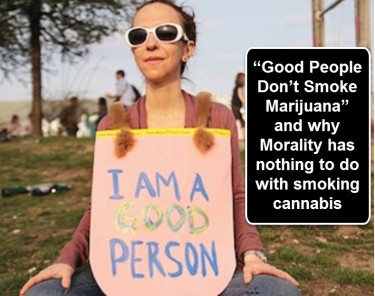
MORALITY ON CANNABIS, READ MORE…

GOOD PEOPLE DON'T SMOKE WEED MORALITY

GOOD PEOPLE DON’T SMOKE WEED – MORALITY PUSHED ON WEED SMOKERS?

[ad_2]

Source link

What is RSO? | Uses, Risks, Benefits & How to Make It

What is RSO? | Uses, Risks, Benefits & How to Make It

[ad_1]

Rick Simpson Oil, called RSO for short, is one of the most versatile and lauded cannabis innovations—an oil created by Rick Simpson, a Canadian engineer and cannabis advocate who was radicalized to cannabis activism by a work accident that led to various health issues. 

The story goes that he was able to resolve his health issues with RSO, a dark, tar-like cannabis extract that straddles the line of concentrate, edible, and topical. In short: There’s very little it can’t do, and a lot it can do for both patients and stoners. Here’s everything you need to know about RSO.


What is RSO?

Put simply, RSO is an oil derived from cannabis. But rather than a solvent extract that strips trichomes from buds, RSO contains all the cannabinoids, terpenes, and additional compounds of the whole cannabis plant. 

The extraction process is complex and fairly long, similar to making a tincture. It’s typically near-black in color, and, admittedly, doesn’t taste great due to its high amount of plant matter (it uses the whole plant).  

RSO was created as a medicinal therapeutic for cancer and other chronic health conditions, like MS and asthma. While Rick Simpson no longer produces the oil himself, it remains a crucial ingredient in the treatment plans of patients across North America.

Who Is Rick Simpson and What Is Rick Simpson Oil (RSO)?
Rick Simpson. (Courtesy of Rick Simpson)

Rick Simpson’s story

Rick Simpson wasn’t looking to become a marijuana icon. He was a Canadian engineer working at a hospital in 1997, tasked to work on some asbestos-covered pipes in a boiler room. The poor ventilation and toxic fumes caused him to pass out and fall off his ladder, after which he was taken to the emergency room. 

He developed tinnitus and dizzy spells soon after, and no prescribed medication seemed to help. Despite its illegality and against the advice of his doctor, Simpson began using medical marijuana with great results in reliving his symptoms. 

In 2003, he was diagnosed with basal cell carcinoma, a type of skin cancer. By then, Canada had legalized cannabis for medicinal purposes, but it was hard for Simpson to find a doctor who supported his use. A 1975 study in the The Journal of the National Cancer Institute showed how cannabis and its compounds inhibited tumor growth in mice, inspiring him to create RSO. 

He has always maintained that applying RSO to his cancer growth and leaving it bandaged for four days cured him of cancer, but this has not been independently verified. 

Simpson began producing the oil en masse and distributing it to thousands of patients for free. In 2009, his property was raided by the Royal Canadian Mounted Police and thousands of cannabis plants were confiscated. 

To escape legal persecution, Simpson now lives in Croatia and maintains a website for his RSO recipe, dosing guide, and books. In 2018, he suffered a stroke and has since receded from the public but continues to advocate for RSO and medical cannabis.

Related

A patient’s guide to using cannabis for cancer

Benefits of RSO

Despite Rick Simpson’s near-miraculous recovery from cancer and tinnitus, cannabis’ Schedule I status means the scientific community lacks consistent research to back up these claims. As more and more states legalize adult-use cannabis, however, more data becomes available. 

There have been promising reports that attest to RSO’s efficacy, such as a 2013 article showing that the use of RSO severely decreased the leukemic blast cell count in a 14-year-old terminal patient, with no toxic side effects.  

Anecdotally, RSO has helped patients manage conditions such as multiple sclerosis, epilepsy, cancer, insomnia, chronic pain, and asthma, among many others. 

As an incredibly potent THC product, RSO offers potential therapeutic effects, such as pain relief and appetite stimulation, and it can aid with sleep aid and nausea. But because studies haven’t been done, we can’t guarantee that RSO will impart these benefits. 

A 2021 study indicated that while many cancer patients use cannabis in conjunction with cancer treatments, their primary care teams lacked insight on how to integrate cannabis into a regimen. Clearly, much more research needs to be done on how best to use RSO to amplify treatment.          

Rick Simpson Oil for cancer treatment

Rick Simpson was motivated to create RSO by his own cancer diagnosis. His recipe is based on creating a product that produced the same results as a 1975 study, which showed cannabis killing cancer cells in mice. 

Simpson has said he cured his skin cancer by using RSO topically, but that it can be taken orally to address internal cancers as well. This claim has not been independently verified, but in the years since RSO was invented, thousands of patients have used it to address symptoms and improve their quality of life. 

Cancer patients seeking to use RSO should always first consult their primary care doctor to discuss their options.   

RSO for back pain

One of the most common uses for RSO, and cannabis in general, is chronic pain. Back pain is one of the most common forms of physical pain, with as much as 80% of people experiencing it at some point in life. 

RSO recipes typically call for high-THC and indica-dominant cannabis (although CBD-rich options do exist), and the final product is highly intoxicating, hence the gradual dosage increase to prevent too strong of a high. THC binds with CB1 receptors in the endocannabinoid system, most of which are concentrated in the brain and nerve cells. When THC binds to these nerve receptors, the sensation of pain lessens.

Related

Leafly study debunks dispensary myths around crime & teen use

Is RSO dangerous?

Despite its high concentration of THC, no amount of RSO will cause an overdose, death, or lasting side effects. Risks associated with taking RSO are the same as taking a high dose of any cannabis product, such as an edible, concentrate, or more of any product than one is comfortable with—namely, getting too high, and having to wait for the effects to wear off. 

RSO purchased from a dispensary has been lab-tested for solvents, pesticides, mold, and fungi, so you can rest easy that you’re getting a clean product. 

If you choose to make RSO at home, there are somewhat dangerous steps in its preparations, such as burning off an ethanol solvent, which is flammable. Some other solvents used can be explosive or produce fumes. It’s also possible that not all the alcohol will be separated from the oil before ingestion. 

If you are ever unsure about the quality of your homemade RSO, source it from a licensed dispensary.

Where can I get Rick Simpson Oil?

Since Rick Simpson Oil contains THC, you can only find it at licensed dispensaries in states with adult-use cannabis or medical marijuana. However, not all dispensaries carry RSO, as it is not as popular, nor affordable, as other forms of cannabis.   

How much does RSO cost?

Relative to a pack of gummies or an eighth of flower, RSO is expensive. Prices vary state to state and county to county based on local tax laws, but the general range for RSO is $35–70 a gram. This may seem comparable to other cannabis concentrates, but patients need 60 grams to follow the recommended RSO regimen—that’s at least $2,100!  

How to use RSO

The two most common ways to consume RSO are orally and topically. Rick Simpson himself used it as a topical to cure his skin cancer, although it’s been said his physician did not condone and cannot confirm this as a cure. 

How long does RSO take to work?

RSO requires weeks to acclimate to without intoxication. Results may be felt within a few days, but most report significant differences in symptoms once they have reached the one-gram-per-day threshold, which may take up to five weeks, depending on the individual.  

Related

How to make cannabis edibles with concentrates

For skin ailments

If using topically, apply a dab of RSO to the skin site and cover with a band aid or bandage to ensure absorption. Reapply every other day.

For internal conditions

The other popular way to address internal conditions, such as physical pains, immunity conditions, and other illnesses, is to ingest RSO. This requires a large amount of RSO as well as a dosing system that requires weeks to acclimate to the high doses needed for treatment (more below). We recommend speaking to a doctor or medical professional familiar with RSO to discuss what works best for you. 

Our guide here is based on consuming 60 grams of RSO in 90 days, broken up into weeks, as Rick Simpson recommends on his website. Keep in mind that this hasn’t been reviewed by medical professionals.  

Side effects of RSO

Following a gradually increasing regimen of RSO is your best bet for avoiding potential side effects, such as sedation or dizziness. RSO is an incredibly potent product, and some consumers may feel uncomfortable if the dose is too high. 

It’s possible to negate the intoxicating effects of THC by adding CBD-rich flower to the recommended dosing guide below. Many patients attest that the effects of RSO are largely positive, mitigating pain, nausea, and sleeplessness, among other symptoms.   

Can you smoke or dab RSO?

Since RSO is an oil that retains some degree of plant matter, yes it can be smoked! But squirting a dollop directly in your bong or pipe will only lead to a sticky, sappy mess. 

The best way to smoke RSO is to combine it with flower, such as adding a rice grain amount to a packed bowl. It also works well in joints and blunts when added to the paper or wrap in horizontal lines. This distribution will help slow the burning of a joint or blunt and allow the RSO to heat without destroying the cannabinoids. 

Related

Where do dabs come from? A history of cannabis extracts

And technically, yes, you can dab RSO. But we recommend only dabbing an RSO purchased from a dispensary with lab test results to ensure no solvents or other potential irritants are present. Note that when RSO is made, the cannabis is decarboxylated when the solvent is burned off, so it may not be as potent as other concentrates, depending on the temperature of your dabs.   

Can you cook with RSO?

Yes, you can cook with RSO. Keep in mind that cooking cannabis above 300ºF will burn off the cannabinoids and render the RSO useless. For maximum efficacy, it’s best to add RSO to meals that have already been cooked, or to parts of a meal that don’t need to be cooked, such as a sauce, dressing, or beverage.

RSO dosage chart

Week # in regimen Ideal dosage
1 Half a grain of rice (1/4 a syringe drop) every eight hours
2 Half a grain of rice (1/4 a syringe drop) every eight hours
3 Half a grain of rice (1/4 a syringe drop) every eight hours
4 Start doubling your dose to a full grain of rice (1/2 a syringe drop) every eight hours
5 Two full grains of rice (1 syringe drop) every eight hours
6 Four full grain of rice (2 syringe drops) every eight hours
7-12 By now you will be ingesting approximately a gram of RSO every day, spread across three doses, taken every eight hours. Follow syringe measurements for accurate doing.
Continued maintenance Once the 90-day treatment plan is over, patients only need a gram or two a month to maintain a base level of cannabinoids. One gram is approximately eight syringe drops; we recommend taking this as a small dose daily or near-daily for efficacy.

RSO regimen

While Simpson recommends taking the oil orally, patients can also administer it in suppository form, using the same dosing guide.

Weeks 1-3: Three small doses every day

Start with a small dose of RSO every eight hours (morning, midday, and night). Each dose should be about the size of half a grain of rice; the first dose will be about ¼ drop of RSO from an oil syringe.

Weeks 4-5: Double your dose every four days

Per Simpson’s recommendation, it takes most patients four to five weeks to reach the full dosage of one gram of RSO per day, starting from half a grain of rice. Patients should still take their doses every eight hours.

Weeks 6-12: A gram a day

Take one gram of RSO a day until you’ve consumed a full 60 grams. This comes out to taking about 8-9 rice-sized drops of RSO every eight hours.

Continued regimen

Once a patient has gotten used to taking a gram of RSO a day and consumed the recommended 60 grams, they don’t need to continue with such high (and expensive) doses. Simpson’s website recommends one to two grams a month to maintain an influx of cannabinoids.

RSO recipe

how to make RSO, DIY rick simpson oil
(kmatija/iStock)

This recipe follows Simpson’s own formulation to produce 60 grams of oil. This should be done in an open, well-ventilated area, as the solvent is highly combustible. Avoid all open flames such as stovetops, sparks, lighters, and cigarettes.

Ingredients

  • 1 pound (~450 grams) of dried cannabis (preferably indica strains)
  • 8-9 liters of a solvent (Simpson recommends 99% isopropyl alcohol)

Equipment

  • Two five-gallon buckets 
  • Electric rice cooker (do not use a slow cooker or Crockpot)
  • Large wooden spoon or stirring utensil 
  • Funnel
  • Plastic syringes
  • Coffee filters or a cheesecloth
  • Large fan (for ventilation)
  • Stainless steel measuring cup (optional)
  • Coffee warmer (optional)

Directions

Step 1

Place all dry cannabis material into one of the 5-gallon buckets. Pour in the solvent until the plant matter is completely submerged.

Stir and muddle the plant material with your wooden spoon while slowly adding the solvent.

Step 2

Once fully incorporated, stir the mixture for about three minutes to allow the THC to dissolve into the solvent. This ideally will infuse about 80% of the THC into the solvent.

Step 3

Strain the plant material from the solvent into the second bucket through the coffee filters or cheesecloth. 

Step 4

With the solvent aside, put the plant material back in the first bucket and add more solvent. Continue stirring for another three minutes.

Step 5

Drain the solvent from the plant material into your second bucket again using the cheesecloth and discard the remaining plant material.

Step 6

Pour the solvent, which should now look dark, into the rice cooker until it is about ¾ full. Turn on your rice cooker.

The rice cooker should maintain a steady temperature between 210-230°F (100-110°C), in order to decarboxylate the cannabis and cook off the solvent. 

Step 7

The solvent will slowly evaporate with the heat of the rice cooker. Add your mixture to the rice cooker gradually.

Step 8

Once the solvent has evaporated, use the funnels to pack the oil into your syringe for easy dosing. The RSO will be thick like honey, so if you have trouble dispensing it, run the syringe under hot water to ease it.

Have you ever used RSO? How has it impacted your life? Let us know in the comments!

This article was originally published May 12, 2017 and is often updated for accuracy and clarity.

Amelia Williams's Bio Image

Amelia Williams

New York-based freelance cannabis journalist Amelia Williams is a graduate of San Francisco State University’s journalism program, and a former budtender. Williams has contributed to the San Francisco Chronicle’s GreenState, MG Magazine, Culture Magazine, and Cannabis Now, Kirkus Reviews, and The Bold Italic.

View Amelia Williams’s articles

[ad_2]

Source link

Missouri Medical Cannabis Licenses Suspended Over ‘Irregularities’

[ad_1]

Regulators in Missouri have suspended four medical weed licenses and ordered products to be destroyed over alleged irregularities at the cannabis operators. The suspensions, which were revealed by the St. Louis Post-Dispatch on Thursday, are part of a compromise agreement that marks the end of a dispute between the licensees and state regulators over reported violations at the facilities.

The agreement reached between the director of Missouri’s medical cannabis program and the four businesses directs the licensees to transfer operational management of the facilities to a third-party management firm by June 30. The current licensees will then have until November 30 to find a buyer and exit Missouri’s regulated medical weed industry.

“The primary owners of these licenses will not be eligible to own licenses in the future,” said Lisa Cox, spokeswoman for the Missouri Department of Health and Senior Services.

Cox added that the agreement “resolves the investigation” into the licensees’ operations.

The agreement also calls for the destruction of some cannabis products now held by the facilities or that have been transferred to other licensees. Some medical pot products, however, will be processed into compliant merchandise under the terms of the agreement.

“The Department’s approval of the change of ownership or transfer of the licenses is contingent upon Licensees divesting themselves of all product currently in their possession,” the agreement reads.

The medical cannabis operators that agreed to the compromise include Archimedes Medical Holdings, a company that has used the brand name Solhaus and holds two cultivation licenses. Another cultivator, FUJM, and Holistic Health, a medical marijuana products manufacturer, are also included in the agreement. All four licenses were issued for operations in Perryville, Missouri.

Suspensions Ordered Over Alleged Violations

The order to cease operations at one of the medical weed companies lists details of the reported irregularities, including a claim that “the licensee has left medical marijuana product unattended, unsecured, and in unsanitary conditions.”

“Licensees disagree with the Department’s position,” the agreement said, according to a copy provided to the St. Louis Post-Dispatch by the Department of Health and Senior Services.

The settlement between regulators and the facility was reached to “resolve the Department’s allegations” and notes that the agreement “shall not be construed as an admission of liability or wrongdoing by any Party.”

The suspension order for two of the cultivation operations includes allegations that the facilities’ “employees are using and applying pesticides without proper training or proper Personal Protective Equipment.”

The four licensees will also be required to transfer the operations to a new owner by November 30. According to the agreement, “Licensees shall submit change of ownership or transfer of license change requests to the Department” for the four suspended licenses.

“If Licensees fail to submit a timely change request, … that license will be deemed to have been surrendered to the Department, effective December 1, 2022,” the agreement continues.

In April, a medical weed company based in Kansas City filed suit against Archimedes, claiming state regulators had determined that the cultivator had trafficked cannabis into Missouri from out of state and that $1.7 million worth of inventory had been frozen. However, orders to suspend operations issued by the state last year do not include references to any such violations.

Tanner Rolfes, attorney for the licensees, wrote in an email that “Archimedes, along with individuals harmed by false accusations, will continue to seek legal action against any and all unscrupulous entities or individuals that opportunistically made and pursued false and defamatory claims.”

“My clients are pleased with the settlement agreement and looking forward to the future,” Rolfes added. “Most importantly, the settlement confirms that Archimedes et al, as well as any affiliated entities or individuals, were not involved in any unlawful conduct.”

[ad_2]

Source link

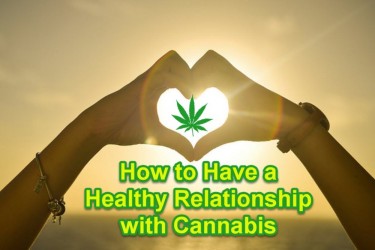
How to Have a Healthy Relationship with Cannabis

How to Have a Healthy Relationship with Cannabis

[ad_1]

healthy relationship with cannabis


Reddit Post – 33 years using cannabis and how it ruined my life


Hi, my name is Reginald and I’ve been smoking cannabis for over twenty years. I am not an addict. On the contrary, over the years of smoking cannabis, I have actually cut back and now enjoy cannabis in different configurations.


Sometimes I take tolerance breaks (which for me isn’t a difficult thing to do) – and other times I wake and bake and toss away any form of productivity – simply enjoying the day. There are millions like me. People who consume cannabis on the regular and have no intrinsic problem with the habit.


Do I feel “withdrawal symptoms” when I stop smoking weed. Of course! There’s a physiological change that occurs in my body – but to be honest, I would react the same way if I stop drinking coffee, eating sugar, or eating meat.


When you engage with a particular food or substance over a long time, your body adjusts and acclimatizes to the chemical profile introduced into your organism. When you abruptly remove it, or reduce it – the body notices.


This doesn’t mean I’m addicted.


I know addiction. I’ve been addicted to tobacco. I’ve found myself in a gaming hole of shame – spending money and time on something that provided no real value to my life.


But I can’t say the same for cannabis.


For me, cannabis has helped me through some rough times and while people may like to say, “You’re using weed as a crutch!” while they snarf down their clonazepam just to get through their day – for me cannabis provided some breathing room in dire emotional situations.


Is my example applicable to everyone?


Of course not!


I read a recent Reddit post on the subreddit /leaves –which basically are a bunch of people who are quitting weed talking to each other for support.


For this one guy, weed wasn’t something that took the edge of, it was the way of engaging with life all the time.


A Redditors tale…


The following is a post left by Redditor /WeDontNeedNoRoads. During the following dynamic we’ll be listening to his story while simultaneously analyzing the reasoning of the author in relation to his (or her) self-reflection.


I don’t do this to bash the Redditor, but rather to use it as a case study on the reasoning of individual in relation to their own pain and how we as humans tend to cast ourselves in a light which removes us from responsibility. This also isn’t saying that what the Redditor is experiencing wasn’t painful, difficult or true.


Within the subjective experience of the infinite expression that is humanity – “We Don’t Need No roads’” personal dance with cannabis made him conclude in this manner. To this person, their struggle with cannabis is real because of their conclusions of their own experiences.


Also, it’s important to note that I added the emphasis within the paragraphs yet aside from that, did not change anything. I will be posting a paragraph in italics and comment beneath each paragraph.


Let’s begin…


I’m 49 and have been a daily smoker since I was 16. I spent decades of having to smoke weed several times a day just to avoid going into fight or flight panic mode and to treat the chronic insomnia I thought I had, and my social anxiety got so crippling that I would sweat profusely and my heart would race when even thinking about an upcoming social interaction. It got so bad that I’ve lost most of my lifelong friends. I couldn’t even talk to them on the phone without major anxiety and eventually they drifted away. I became a complete wreck, came to hate being awake as it was so stressful just to exist.


Here the author mentions that they were smoking cannabis since the age of sixteen several times per day to just “avoid going into fight or flight mode” meaning that the person’s nervous system was stuck in the sympathetic mode and wasn’t able to regulate naturally to the parasympathetic mode.


When they smoked cannabis, it helped them shift from the sympathetic to the parasympathetic. This was also the reason why the author had insomnia – if you can’t enter into “Rest/Digest” mode then you won’t be sleeping very profoundly.


A lack of sleep has some profound side effects and occurs rather quickly. Here’s a short list of side effects of a lack of sleep published by the Cleveland Clinic.


  • Lack of alertness. Even missing as little as 1.5 hours can have an impact on how you feel.

  • Excessive daytime sleepiness. It can make you very sleepy and tired during the day.

  • Impaired memory. Lack of sleep can affect your ability to think, remember and process information.

  • Relationship stress. It can make you feel moody and you can become more likely to have conflicts with others.

  • Quality of life. You may become less likely to participate in normal daily activities or to exercise.

  • Greater likelihood for car accidents. Drowsy driving accounts for thousands of crashes, injuries and fatalities each year, according to the National Highway Traffic Safety Administration.

Source


Lack of sleep also impairs your judgment, it affects critical thinking and mood regulation and affects every other part of your physiology in one way or another.


Furthermore, the author speaks about their “social anxiety” which is a psychological disorder. A question that comes to my mind is, “was this person taking psychiatric treatment?” and was this person drinking at the same time they were smoking? Which came first? The Alcohol or the cannabis?


It’s obvious by admission of the author that the individual had some diagnosed or undiagnosed psychological disorder which could have stemmed from some sort of early childhood trauma that has been suppressed by the unconscious mind. Or perhaps his home environment wasn’t stable…these are all speculations of course, but a healthy person from a stable home environment rarely tends to develop “crippling social anxiety”.


You can see that this person had a degree of severity in relation to their mental illness due to the fact that even thinking about interactions or talking on the phone was enough to give them panic attacks. Yet instead of facing it, dealing with it…the author allegedly used drugs (not just cannabis) to mask the symptoms best s/he could. Self-medication is a common reaction from people suffering with mental illness.


Now that we have some sort of backstory, let’s continue to the more recent developments…


2 weeks ago I stopped all substances, caffeine, alcohol, cannabis, and have been forcing myself to go to the gym almost every day. It has been a roller coaster of emotions, I’ve cried frequently, not been able to sleep for several nights straight, my heat tolerance has gone haywire, and I haven’t been able to eat much. A lot of pain, basically. But in the last 3-4 days, I have started to become a different person. I feel more engaged and alive, my anxiety has fallen though the floor, I’m sleeping 8h straight and my appetite has returned with a vengeance. I now see that I was using cannabis to treat problems that were created by using cannabis in the first place, a vicious cycle which I’ve somehow not been able to see until almost 50 years old.


During this paragraph we can see the self-reported changes implement in the life of the author. Firstly, the elimination of “all substances/drugs” which includes caffeine, alcohol and cannabis…the author also made a lifestyle change by going to the gym.


As a result, the individual has been going through some sort of purge in their system. Quitting coffee is hardcore…and if you’re dependent on cannabis or alcohol, that would be true too. The author was most likely a heavy consumer of all substances, and thus an abrupt interruption of regular doses would have a severe physiological reaction.


Things like insomnia, pain, lack of appetite….are symptoms of alcohol withdrawal. Similarly, caffeine is a hardcore drug…in facts, it is the world’s most consumed legal drug.


We are more dependent on the substance than we’d like to admit as a society…and withdrawal from caffeine also can be nerve-wrecking. All of the symptoms mentioned seem to be related more to the “purging of the system” from decades of dependence than anything else.


Then, the author notes a change occur…roughly between 10-14 days, which would be a good period for the body to eliminate a lot of toxins and recalibrate the endogenous chemical profile for baseline existence. In other words, at this point most addictions are “broken” and the rest is mainly an issue of willpower and psychology.


Fortunately, the author supplanted the lack of drugs with exercise, which is a good thing. However, considering the previously mentioned (un)diagnosed mental condition – even exercise could become the next “drug” since it would provide dopamine spikes and technically generate more endocannabinoids. Of course, this type of addiction can be beneficial to a person if managed correctly.


However, going to the gym isn’t addressing the core reasons why you have social anxiety, you’re not peering into the shadow parts of the self to figure out “what went wrong”. It’s still a mechanism of avoidance, albeit a much healthier and beneficial means.


Which is why the person is feeling like a different person. This is because the author is becoming a different person. Whatever it is you are doing, is making you into something.


If you eat donuts every day…you’re becoming fat. If you jog 5-miles every day – you’re becoming fitter. If you drink a six pack of Coors daily, you’re becoming an alcoholic.


The author is becoming someone else, and neurologically speaking – this is starting to rewire the brain to create a new “you”. During this phase, you can experience a type of euphoria akin to falling in love or earnestly forming part of a new religion…


Let’s continue…


If only I had recognised what I was doing to myself decades ago, my life would have been quite different. I am resolute that I will never touch cannabis again, most likely stop consuming alcohol too. Life is beginning to feel enjoyable for the first time since I was a teenager.


I agree with the author…if they only were able to recognize that utilizing any substance or activity to cover up the internal hurt and hidden traumas, only makes the trauma manifest in other ways. With some exploration, they could even discover that the trauma wasn’t even their own – yet if you’re stoned or drunk or busy all the time…you can’t get quiet enough to peer into the darkness.


It’s true, “if” we “could have” changed things in the past life “would have” been very different. Or not.


In my opinion this is the “addict’s trap” where they imagine a life where they “could have” performed better than they did because “FILL IN THE BLANK” was keeping them from achieving their goals. Yet that isn’t true now is it.


Sure, if you’re experiencing a crippling addiction…it may play a role in your poor performance but it was a lack of self-awareness that didn’t allow them to make appropriate changes. They are stuck on autopilot allowing the body to make most important decisions…fearing the hypothetical pain they would have to suffer if they were to disrupt their behavior.


It’s easier to crawl back into the bottle or snort a line than it is to sit with your pain and face it. But it’s also not your fault.


We’re not taught on how to deal with our emotions in society. We don’t learn it in school, we have no examples of it on television. We view life through the lens of fictionalized reality, where vertical framed videos show us the “lives” of others – with as many filters and emojis your heart can desire.


Desperately we want to see, eat, feel anything other than to sit quietly and hear the whispers of the infinite void within. The fact that the author is still drinking alcohol yet managed to “get rid of weed” suggests to me that the author was more of an alcoholic than a stoner.


Nonetheless, I’m glad that this individual is finding a path to self-realization and I wish him the best…


BUT…


Don’t be me. Stop now and don’t look back. I wish with all my heart that I’d never tried cannabis when I was 16. I was a semi functioning drug addict for 33 years without even realising it, and have lost the best years of my life to this insidious drug.


The author is missing the point. Cannabis didn’t ruin your life. You didn’t lose the “best years of your life”. All of this is exactly the type of thinking you’ll need to one day crawl back into a bottle and smoke some dank to take the edge off.


The problem here is that the author is externalizing her issues and projecting it onto cannabis. The “evil cannabis” is to blame for all of my past decisions. I was helpless against it…there was nothing I could do…until I did something.


The responsibility shifts away from the person because we like to be cast as either heroes or victims in our life – rarely the villain.


Unless the author is currently undergoing some sort of internal healing – these problems will manifest in some other way. Now, let’s end this piece by taking a look at how you can maintain a healthy relationship with cannabis and enjoy the benefits for decades without being a “semi-functioning drug addict”.


How to have a healthy relationship with cannabis


First of all, if you have been smoking for several years or even decades – that doesn’t mean that you are an addict. In fact, the vast majority of people who consume cannabis tend to down regulate consumption over the years.


While it’s true that cannabis can be a problem for some, for most people if you have to choose between sobriety and getting stoned because you have a lot of important things to do – productivity wins 9/10 times.


In every state that has legalized cannabis, productivity hasn’t gone down…in fact, fewer people are using sick days.


If you want to have a healthy relationship with cannabis, you must always have a healthy relationship with yourself first. This means becoming mindful of your behavior, thoughts, and emotions. About peering into the darkness of your soul and seeing which hidden traumas are influencing your life from within.


Cannabis can be used to cover up those pains for a short period of time, but unless you’re actually on a journey of self-discovery…suppressing your past pains will only manifest in unplanned manners. Use cannabis for self reflection.


I have been smoking for more than twenty years, but I often smoke a joint and remember the painful things in my life. I sit with the pain, and the cannabis helps me from getting consumed by it. It gives me that space where I can reflect and integrate, where I can do the necessary work to move forward.


But this is because I’m on an almost “holy quest” of self-discovery where the conflict, pains and challenges in my life are simply an opportunity to remedy something that has been hidden from me until now.


As for the author of the Reddit post, I only wish the best for their lives. At the end of the day, if they found a path to self-fulfillment and needs to demonize cannabis to remain true to the path…then cannabis can do that for you as well. Some people will reject this approach, others will embrace it and both of them would be correct if it serves the bottom line.


HEALTHY REALATIONSHIPS WITH WEED, READ MORE…

HEALTHY RELATIONSHIP WITH WEED

HOW CANNABIS CREATING HEALTHY INTERPERSONAL RELATIONSHIPS!

[ad_2]

Source link

The Roll-up #245: Gummies that’ll make grandma blush

The Roll-up #245: Gummies that’ll make grandma blush

[ad_1]

This week Leafly’s fearless Canadian editor Ashley Keenan joins us to discuss the newest innovation in child-repellent gummy shapes. Yes. They are what you think they are.

Like! Share! Subscribe! Rate! Review!

Theme music: English and Guitar by Hollow Bodies
Hollow Bodies bandcamp

The Roll-Up: Leafly’s weekly cannabis news and culture podcast

Every Friday the Roll-Up crew—Bruce Barcott, Alyssa Yeoman, and Hannah Staton—dissect the week’s top cannabis stories and take a deep dive into a single issue. It’s a news and culture podcast, slightly elevated.

Subscribe for free on iTunes or Stitcher.

Got feedback? Bring it: therollup@leafly.com. Want more? Hit us up on Twitter: @therollup.

Past episodes

Leafly Podcasts's Bio Image

Leafly Podcasts

Leafly Podcasts bring the latest in cannabis news, products, and culture directly to your ears each week. Subscribe to The Roll-Up, What Are You Smoking?, The Hash, and The High Life on podcast outlets like iTunes, Spotify, and beyond.

View Leafly Podcasts’s articles


[ad_2]

Source link

Wee-Delivery Chatbox
!

Wee-Delivery Assistant

How can I help you?

Hi there! 👋 Welcome to Wee-Delivery. How can I assist you today?
Call us: 888-422-9658
Hours: Mon-Fri 9am-1pm, closed 2pm-6pm, then open until 11pm. Saturday 9am-11pm, Sunday by appointment.
Delivery minimum
Are you open now?
Service areas
Verification process
Payment methods
After hours
How to order
Call 888-422-9658