Why are People Ignoring the Benefits of CBD and Cannabis and Looking at It Like a Drug from the Past?

Why are People Ignoring the Benefits of CBD and Cannabis and Looking at It Like a Drug from the Past?

[ad_1]

Governments worldwide have been under pressure from the cannabis and the medical community to overhaul cannabis laws for decades. We’ve seen some results in recent years, but people still see it as a drug rather than what it truly is; an over-the-counter health supplement.

Nevertheless, the benefits of CBD are still amazing and can’t be denied. Let’s dive into the myths and health benefits circulating CBD and cannabis in general.

Myths About CBD That Need Busting

Thanks to the bad reputation of its brother cannabinoid, tetrahydrocannabinol or THC, myths about CBD and cannabis have spread worldwide. However, researchers have been studying CBD for many, many years, and several results show the benefit of CBD.

There’s a lot of confusion around what CBD (cannabidiol) is and what it can do for you. The conflation of cannabis/hemp and its derivatives between the medical community and consumers also contributes to the confusion.

Let’s look at some of the CBD myths to decipher the reality.

CBD Makes You High (No, It Does Not!)

Since CBD gives you a sense of light-headiness and peace of mind, people have considered it a psychoactive drug. CBD comes from a family of plants, cannabis, with psychoactive cannabinoids. The most commonly known one is THC which you can find in larger doses in marijuana.

You might have heard people using the term marijuana in place of cannabis. However, they are not the same. Marijuana and hemp are part of the cannabis family. The core difference between the two lies in the concentration of psychoactive compounds. 

Notably, CBD comes from hemp plants, which have minimal concentrations of delta-9 THC. Contrary to that, marijuana contains high levels of delta-9 THC and low levels of CBD. Therefore, the use of pot gives you a euphoric high, but consuming CBD products does not make you psychoactive.

Out of more than 100 cannabinoids of the cannabis plant, cannabidiol (CBD) and delta-9 tetrahydrocannabinol (THC) are the most popular. However, THC is far more notorious, and many believe all cannabis derivatives have the same psychoactive effects.

CBD Is a Schedule 1 Narcotic and Therefore Has Not Been Researched On 

The fallacy has two parts. The first half concerns the research in the United States and the other concerns “no research has been done.”

There is no doubt that cannabis falls under the Schedule 1 drug class. Therefore, there has been limited research on CBD. Still, US universities have contributed to research done so far with the government’s permission. 

Then there is another misleading point about CBD that is not at all researched, which is false. Besides the United States, several countries have researched cannabis plants and the significance of CBD. Also, the government of the United States funds many of those studies.

CBD Has No Side Effects (It Can Interact With Certain Medications)

Generally, CBD enthusiasts consider this cannabinoid to be pure from any adverse reactions. However, certain medications in your system while using CBD products can trigger an adverse reaction. 

CBD impacts the way your body processes, absorbs and excretes certain medications. Due to this, there can be an alteration in that drug’s therapeutic benefits and blood levels. Therefore, you should always seek professional advice before taking CBD if you have any treatments soon or are currently on medication. 

CBD Is of No Use (Untrue, It Has Active Ingredients)

The human body produces endocannabinoids that work similarly to cannabinoids in cannabis. Everyone’s immune systems have many endocannabinoid receptors that function to naturally treat various health problems.

The active ingredients in the CBD products available on the market attach to your body’s endocannabinoid receptors. This results in producing the same benefits that your natural endocannabinoids show. 

Health Benefits of CBD and Cannabis That You May Not Know

Over the years, scientists have worked hard to outline the benefits of CBD along with its complications. Multiple studies have shown that CBD has the potential to treat various illnesses or at least reduce symptoms. Some of the diseases that may be treatable with CBD are as below.

Chronic Pain

Chronic pain is one of the leading illnesses for which people use CBD oil, and science has proved its efficacy. CBD in cannabis has active ingredients that bind to your body’s endocannabinoid receptors.

These receptors are present in various parts of your body and function to relieve pain. So, when CBD binds to the same receptors in your body, it may relieve chronic pain.

Drug Addiction and Alcoholism

A comprehensive review of CBD benefits has revealed that using cannabis may help people with opioid or alcohol dependencies. However, another study suggests that cannabis is an abusable substance that drives the risk of dependency and addiction. 

It all depends on how and how much CBD or cannabis you consume. However, people who have been using cannabis since an early age have more risks of developing a problem. This doesn’t apply to CBD, though, since it does not have any addictive properties.

Cancer

The use of oral cannabinoids is effective in treating vomiting and nausea, which is a byproduct of chemotherapy. Several studies have shown that smoking cannabis may come in handy in alleviating these symptoms of cancer treatment. 

Oher research on cancer cells suggests that cannabinoids may affect some types of cancer by slowing growth or killing the cancerous cells. 

Epilepsy

In June 2018, the Food and Drug Administration (FDA) legalized the consumption of medicine containing cannabidiol (CBD). The FDA approved the medication for treating two specific, severe, and rare types of epilepsy: Lennox-Gastaut syndrome and Dravet syndrome.

Both of these conditions are difficult to treat and control with other medications. Therefore, the FDA approved a CBD-containing drug called Epidiolex. This drug contains the purified concentration of CBD after reviewing its benefits in research and findings.

A study published in 2017 showed that the use of Epidiolex resulted in far fewer seizures in children with Dravet syndrome.

Cannabis and CBD: Good or Bad?

cbd as a drug

Just like other substances, consuming CBD and cannabis has two sides. Your intention and the way of consumption decide whether these plants are a boon or a bane for your health.

Despite all the fuss around cannabis, there are scientific findings backing the cannabinoids present in hemp. CBD has the potential to be an effective medical treatment for many ailments, including cancer, epilepsy, and multiple sclerosis.

Since CBD can treat your body well in fighting different diseases, more and more people are inclined toward its use. Out of all the products, CBD oil has gained much appreciation. So, if you, too, want to yield the health benefits of this beneficial cannabinoid, check out this CBD oil for sale to start your journey right.


[ad_2]

Source link

Why Cannabis is Now the Drug of Choice for Smart People

Why Cannabis is Now the Drug of Choice for Smart People

[ad_1]

smart people choosing cannabis over other drugs

The consumption of marijuana as well as numerous other types of psychedelic substances is more pronounced these days than ever before.


From executives to programmers at Silicon Valley, it’s safe to assume almost everyone is high from something at some point. But it’s become increasingly clear that marijuana is the drug of choice for those with higher IQ’s. This is contrary to the Reefer World stereotypes that prohibitionists have been pushing; they try to claim that marijuana users are lazy, couch potatoes with no ambition in life.


The data tells us – the opposite is true.


In fact, a 2011  study conducted by researchers from the British Medical Journal analyzed the IQ’s of around 8,000 males and females. They were tested four times each, from the time they were 5 to the age of 30. Their findings revealed that people who have higher IQ’s when they were children were more likely to be cannabis users by the time they hit the age of 30.


What was surprising was that the higher their IQ, the higher the probability that they would use cannabis when they got older. High-IQ women were twice as likely to be marijuana users compared to those with low IQ scores while men who had high IQs were 50% more likely to be cannabis users by 30.


But one doesn’t really need studies to understand why more intelligent people use marijuana. There are no clear-cut reasons why, though it makes sense to hypothesize the reasons behind this:


Creativity: Marijuana has been proven to enhance creativity and overall creative thinking. Whether you’re an artist or work at a startup, creative thinking will benefit your intelligence in more ways than one. Just some of the famous creatives who have been known to toke include Bill Gates, Bob Dylan, Carl Sagan, Bill Maher, and Abraham Lincoln to name a few.

Besides, everyone can benefit from the ability of marijuana to help you think outside the box especially when it comes to problem solving.


Studies show that consuming marijuana has an impact on the kind of thinking that we do because it boosts cerebral blood flow in the brain’s frontal regions, which are responsible for creativity (or lack thereof). The chemicals in marijuana are shown to boost divergent thinking, which is what promotes creative & free thoughts, as opposed to convergent thinking, which is associated with problem solving.


Quiet the intelligent mind: Smarter people, and those with higher IQ’s, tend to struggle with many more thoughts and at a much faster pace compared to people with average intelligence. That’s because smart people already know that they are usually surrounded by people who may not be interested in the hard facts or correct way of thinking, making it tiresome to continue debating and arguing with people. This can explain why many smart people are also quieter than others, preferring instead to be alone with their thoughts.


When the thoughts get too much, smart people turn to cannabis to help turn it down a notch or two. THC or CBD compounds can do wonderful things for mental relaxation, helping to shut off the thoughts that typically force them to think about anything and everything in the world, all at once.


Socialize intellectually, intelligently, and responsibly: Smart people know that alcohol is not the best social lubricant – cannabis is. Whereas alcohol can make you act stupid and give you terrible hangovers, marijuana doesn’t. It’s the ideal social lubricant for when you have to rub elbows with people at work, other programmers, artists and creatives, or brainstorm with your peers. Given how socially accepted marijuana is these days, it’s becoming more common for people to bring weed, or even attend get togethers stoned, passing a joint around as you talk politics, business, life – just about anything.


Improved cognitive processes: Marijuana has numerous benefits for the brain and thinking, and many studies prove it. For one, whereas other recreational drugs and alcohol kill and impair the growth of new brain cells, marijuana does the opposite. The formation of these new cells are a great help in improving memory retention, and it also helps to prevent mood disorders. If a person suffers from anxiety, this can also prevent them from thinking properly as it affects executive function, but marijuana can help alleviate that too.


In addition, a study also shows that there is a link between cannabis use and better cognitive performance when it comes to attention, executive function, working memory, psychomotor speed, and verbal learning. In other words, we can say that marijuana helps smart people become even smarter.


Conclusion


While people of all kinds of intelligence levels use marijuana and can benefit from it, it’s clear that all users know that cannabis can be good for them. We know that marijuana is the key to living a healthy, balanced lifestyle especially when we’re prone to so much pressure and stress at work, we know that it can help us become better people in and out of the office, and we also know that it’s far healthier for us than other drugs, alcohol, and tobacco.


Smart people also know so much more about the available forms of “escape” out there, and they know more than their peers about the best, safest, and healthiest ways to cope with day-to-day life. It’s marijuana, no doubt.


SMART PEOPLE AND WEED, READ MORE…

CANNABIS CAN HELP IQ AND SMART PEOPLE

HOW CANNABIS IS HELPING HIGHER IQ PEOPLE GET AHEAD!

[ad_2]

Source link

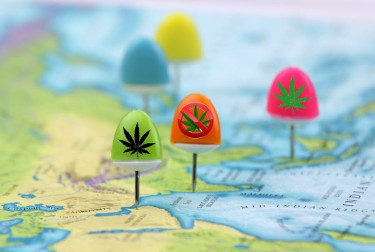
Asia’s Bumpy Green Rush – Thailand Moves to Legalizes Growing and Shipping Weed, While Hong Kong Bans All CBD Products

Asia’s Bumpy Green Rush – Thailand Moves to Legalizes Growing and Shipping Weed, While Hong Kong Bans All CBD Products

[ad_1]

Asian cannabis thailand hong kong

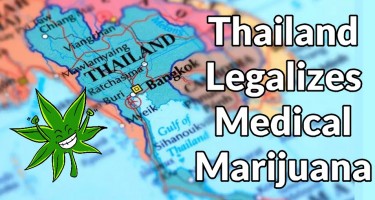
Thailand has legalized the trade and cultivation of marijuana; they are the only Southeast Asian nation to enact the reforms, according to reports from the Washington Post. Anutin Charnvirakul, Thailand’s Health Minister, said he wishes the move would improve the economy of the nation, especially the agricultural sector.


Earlier this year, Anutin authorized the removal of marijuana from the Thailand Narcotics List. Medical cannabis was legalized in Thailand in 2018. The health minister has stated that people making use of marijuana in unproductive ways, like consuming it in public, could still be subject to consequences, like a fine of up to 780 dollars and three months prison time. Officials aren’t pushing to make a tourism industry around marijuana.


When talking with CNN, Anutin said they have always given emphasis to the use of marijuana extracts and raw materials for health and medical benefits. He added that the thought of supporting individuals to use marijuana for recreational purposes under any circumstances has never crossed their minds.


The market value of marijuana-related firms is predicted to be more than $1 billion, as reported by the Thai Industrial Hemp Trade Association. By 2024, it is expected to have nearly doubled. The Thai FDA (Food and Drug Administration) has declassified cannabis and hemp as Category 5 narcotics, allowing eateries and cafés across the nation to serve marijuana-infused goods containing a maximum of 0.2 percent tetrahydrocannabinol (THC), the main intoxicating ingredient in the plant.


Paisan Dankhum, a Health Ministry official, informed Reuters that almost 100,000 individuals have registered with the government to grow marijuana via the PlookGanja app. The Ministry of Health has said it authorized 1,181 marijuana-derived merchandise, including food and cosmetics, and it is expected that the industry will gain up to 15 billion baht (435.16 million dollars) by 2026.


THE RELAXING OF CANNABIS LAWS


Cannabis supporters say the easing actively decriminalizes cannabis; however, personal consumption for recreational purposes is still strongly discouraged by the government. People have likewise been cautioned against publicly smoking. Smoking outdoors is regarded as a public annoyance, and offenders could be arrested and fined, said the authorities. However, the government hopes that creating a local marijuana trade will improve tourism and agriculture


Minister Anutin, on his social media accounts last month, said this is a chance for individuals and the state to gain revenue from hemp and cannabis. On his Facebook, he shared a picture of a chicken dish prepared with marijuana, including that anybody could sell that type of dish provided they followed the guidelines, of which the primary one is that products must have lower than 0.2% of THC, the compound that produces the intoxicating feeling.


Having a tropical climate throughout the year, Thailand has had a long history with marijuana which a lot of the citizens normally use in making traditional drugs. Starting this month, households will be eligible to grow up to six marijuana pot plants in their home upon registering with the authorities, and firms as well can cultivate the plant with a license.


Customers will also be able to request marijuana-infused drinks and dishes in restaurants. Hospitals over the nation can also more willingly offer marijuana as a treatment. Thailand, back in 2018, became the first country in Asia to make the medical use of cannabis legal. Under the agenda, the government announces it also intends to free around 4,000 convicts found guilty of marijuana-related offenses.


A broader draft law on marijuana management is presently being evaluated in the Thai parliament. Supporters think that these next years could bring a gradual relaxing of the regulations governing the use.


RECREATIONAL CANNABIS


Canada and Uruguay are the only two nations to have completely legalized the recreational use of cannabis. In 2018, the use and possession of marijuana became legal in Georgia. A Supreme Court verdict last year in Mexico could pave the way to legalization over there. And quite recently, in late 2021, recreational marijuana for personal use was legalized in Malta, making them the first country in the European Union to do so.


Still, some territories have gone in a different direction, like the Thai government, which is still adamant about the restrictions placed on the recreational use of cannabis, especially in public places. This week, the government of Hong Kong declared its plans to outlaw the export, import, manufacture, possession, and sale of products that contain CBD, a chemical obtained from cannabis that does not induce intoxication and is sold to handle sleeplessness and anxiety.


THE REALITY OF THE SITUATION


There tends to be confusion about the situation in Thailand. Has cannabis been legalized or not?. As the Thai tourist economy comes out from its lengthy Covid nap, a lot of travelers will wonder if the recent liberal administration governing marijuana means that they can smoke a joint anywhere and anytime they want.


The government’s response is no, you cannot smoke cannabis in public, and extracts containing more than 0.2 percent of the key psychoactive ingredient THC are still unlawful to sell or distribute.


According to an analysis by Johnathan Head from BBC News, the official aim is for the nation to get an edge over its neighbors in gaining a large piece of the profitable market for health therapies making use of marijuana derivatives, especially the less severe compound CBD. However, there is an alternative motive, which is to decrease overcrowding in a few of the most overcrowded jails in the world.


All this, in theory, means that with the growth of the plant now totally legal, the law enforcement agencies are now unlikely to apprehend people just for marijuana possession. The government claims that manufacture and consumption are only allowed for medical purposes and no form of recreational use, but in practice, the border between the two has already blurred.


BOTTOM LINE


The Thai government being the first to legalize cannabis for any purpose in a region known for very strict drug ordinances, is trying to maintain their firmness on the use of the plant recreationally while attempting to gain the benefits of the plant in the medical sector and gaining an economic edge over its neighboring nations.


THAILAND GOES GREEN, READ MORE…

THAILAND LEGALIZES MARIJUANA MEDICAL

THAILAND LEGALIZES MEDICAL MARIJUANA, READ THIS!

[ad_2]

Source link

Frankenstrain Cannabis Bud with 17% More THC, 25% More CBG, and 30% More Terpenes Created by Israeli Engineer

Frankenstrain Cannabis Bud with 17% More THC, 25% More CBG, and 30% More Terpenes Created by Israeli Engineer

[ad_1]

engineered cannaibs strain

Israeli Engineers Create A Novel New Cannabis Strain With More THC…And More Terpenes Too!!!


Israeli researchers see the potential of more THC and terpenes for cannabis’ healing properties.


That’s why engineers from the University of Jerusalem have been able to create a new cannabis plant strain with 17% more THC, and 25% more CBG. The team, led by Professor Alexander Vainstein from the Hebrew University of Jerusalem’s Robert H. Smith Faculty of Agriculture, Food and Environment, were successful in increasing cannabinoids as well as terpenes from 20-30%. The intention of this project was to “intervene in the biochemical pathways in the cannabis plant” and eventually alter how active substances were produced, reports JPost.com.


“This represents an innovative use of these tools, which were constructed using synthetic biology tools,” he said. “Next, we developed an innovative technology based on infection with an engineered virus to facilitate chemical reactions that increase the quantities of desired substances. In collaboration with Mariana Bioscience Ltd., we examined infected plants and found that the levels of the substances in question had indeed risen,” Vainstein explained.


They were able to do this by toying with a neutralized active virus found within cannabis. “We examined the infected plants and found that the levels of the substances in question had, indeed, risen,” the researchers wrote. “These study results will be valuable both to industry, to increase the yield of active substances, and to medical researchers to cultivate and develop new strains for medical cannabis users,” says Vainstein.


It’s the first time researchers have been able to succeed with an experiment of this kind.


Before this, there was no known way that anyone could tailor the cannabinoids or other plant compounds within the plant.


Fast-Growing Medical Marijuana Market In Israel


According to cannabis industry analysis firm Prohibition Partners, the medical cannabis market of Israel was worth some $264 million in 2021. Several cannabis and biotech startups with marijuana-based medical products have seen tremendous growth over the last few months, and things are only expected to get greener for Israel.


Last month, the Ministry of Agriculture released a statement saying that cannabis seeds from local crop firm BetterSeeds were exported to the United States, making it the first time seeds were ever exported. US companies will then analyze the seeds for viability to market in America, though it’s safe to assume that more exports will come in the near future. This is another major step forward for Israel to position itself as a pioneer in the global cannabis marketplace, especially considering that the steps necessary to get here took around almost a year.


“Israel has the ability to make its mark on the industry and be among the world’s leaders,” said Agriculture Minister, Oded Forer. “The export of cannabis seeds invites us to expand the diversity of Israeli agriculture exports and strengthens local agriculture,” he said in the statement. In addition, these efforts “exploits Israel’s relative advantage in an area that is still considered preliminary.”


“Increasing the range of exports and expanding it to cannabis products will enable the deepening of existing markets and penetration into new markets while riding on the growing wave of demand for cannabis products with medical-health value,” the statement continues.


It’s not surprising that Israel is destined to become the global pioneer for medicinal cannabis; it is, after all, where Raphael Mechoulam, also known as the godfather of THC, first isolated the famous psychoactive compound in the plant back in the 1960’s. Even as early as then, Israelis were already researching the plant’s medicinal compounds and Mechoulam was among the best-known of them.


Aside from isolating THC, he was responsible for helping to discover the existence of the endocannabinoid system. Other notable discoveries of his include the fact that the human brain makes its own cannabinoids, which stimulate our very own receptor system. It was through Mechoulam’s body of research that the doors to studying medicinal cannabis opened worldwide.


Even their laws have been more progressive compared to other countries, and they were among the first countries to legalize the use of cannabis for medical purposes. By the early 1990’s, it was already legal for patients suffering from Parkinson’s, Crohn’s and cancer to use medical marijuana.


Israel is also home to Tikun Olam, the biggest MMJ supplier in the country and one of the world’s biggest MMJ companies. They have already developed almost 230 proprietary cannabis varieties. Meanwhile, numerous startups are focused on making marijuana more accessible through prescription at pharmacies, which they can do with the support of the government. International cannabis companies are also leaving a footprint in the Israeli marijuana landscape.


However, recreational cannabis is still illegal in Israel. But because Israel is so fertile for the growth of medical marijuana companies, it’s home to a huge concentration of startups and companies that are solely focused on developing therapeutic products for the sick, all from compounds from the cannabis plant. Successful startups especially in technology have long been a strength of Israelis thanks to the presence of numerous private investors and investment funds.


Furthermore, the country as a whole is committed to medical research, with many of the biggest breakthroughs in the last few years coming from the Holy Land. According to Michael Dor, the Ministry of Health’s medical marijuana department senior medical adviser, there are over 110 clinical trials going on. It’s certainly the one country that has the most number of clinical trials analyzing the benefits of cannabis. Many of these are being subsidized by the Israeli government, too (while much is still to be desired in this aspect in the United States).


With all these breakthroughs in Israel, they are no doubt the most powerful pioneer for cannabis in the world.


LAB TESTING IN CANNABIS, READ MORE…

CANNABIS LAB TESTING RESULTS

THC LAB SHOPPING – WHY YOUR CANNABIS LAB RESULTS ARE OFF!

[ad_2]

Source link

What’s Your MAC Score? – Why Cannabis Users Need Stronger Sedation Drugs for Colonoscopies and Endoscopies

What’s Your MAC Score? – Why Cannabis Users Need Stronger Sedation Drugs for Colonoscopies and Endoscopies

[ad_1]

cannabis users endoscopy colonoscopy

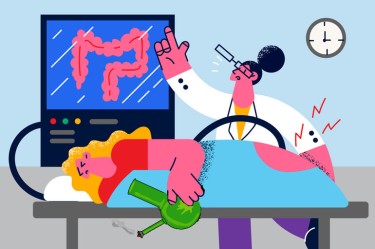
Endoscopies are a type of nonsurgical medical procedure that involves inserting an endoscope into the throat and down into the esophagus.


The tool, known as an endoscope, is used to examine the digestive system with a camera that has been designed into it. Gastroenterologists or other specialists will use this procedure to determine if there are any illnesses that affect the stomach, esophagus, or the upper digestive system. In some cases, patients need to be sedated with anesthesia to perform an endoscopy especially if it’s a high-risk case, or if the patient is pregnant since inserting the scope may irritate the upper area of the gastrointestinal tract. This can cause a gag reflex and major discomfort in some people.


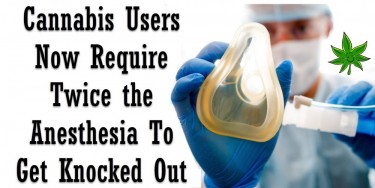
Now, a new study has found that cannabis users may require more anesthesia than usual if they have to undergo an endoscopy.


The study, which was presented during the Digestive Disease Week 2022, involved researchers analyzing 419 adult patients who were about to undergo an endoscopy in Canadian medical centers. The endoscopy was to be performed with conscious sedation wherein the patient and relaxed though partially conscious. All patients were also asked to fill in two surveys, one before the endoscopy regarding their cannabis consumption while the other was after, asking them questions about how aware and comfortable they were during the procedure.


The researchers found that marijuana use was associated with the chances of requiring more anesthesia, such as over 5mg of midazolam, more diphenhydramine, or over 100mcg of fentanyl.


“Patients didn’t have increased awareness or discomfort during procedures, but they did require more drugs,” explains the study’s lead author, Dr. Yasmin Nasser, during a press release by the American Gastroenterological Association.


Same Results As Older Studies


There have been several other studies proving that cannabis users require more anesthesia during surgical procedures, which is a note of caution for consumers.


One report from 2019, which was published in the Journal of the American Osteopathic Association, found that cannabis users may need as much as twice more the normal dosage. The researchers from Colorado analyzed the medical records belonging to 250 patients who underwent endoscopic procedures after 2012, which is when recreational marijuana was legalized in the state. They found that daily or weekly marijuana consumers needed 220% more propofol, 20% more midazolam, and 14% more fentanyl to get to the ideal sedative state for procedures including colonoscopies.


“Some of the sedative medications have dose-dependent side effects, meaning the higher the dose, the greater likelihood for problems,” said head researcher Mark Twardowski, DO. “That becomes particularly dangerous when suppressed respiratory function is a known side effect,” he added. Twardowski also acknowledged that marijuana has interactions with other drugs. “Cannabis has some metabolic effects we don’t understand and patients need to know that their cannabis use might make other medications less effective. We’re seeing some problematic trends anecdotally, and there is virtually no formal data to provide a sense of scale or suggest any evidence-based protocols,” he says.


The researchers also suggest that patient forms asking about their cannabis use is critical for medical professionals to get the information they need to identify the right patient care protocols. “Determining cannabis use before procedural sedation can be an important tool for planning patient care and assessing both medication needs and possible risks related to increased dosage requirements during endoscopic procedures,” they wrote.


Another preliminary study from 2020 revealed that cannabis users who needed to undergo surgical repair for a broken leg needed almost 60% more opioid painkillers each day as they recovered in the hospital.


 “It’s similar to flying a plane. You have a takeoff section, and then you have your cruising section and then your landing. These in anesthesia are induction, maintenance and emergence,” explains Dr. Ian Holmen, resident anesthesiologist at the Colorado Anschutz Medical Campus and the study’s lead author. “We found that it’s not just in the induction phase of anesthesia that you need more anesthesia, but even during that cruising phase you need more inhaled anesthetic.”


Holmen and his team analyzed the medical records of 118 surgery patients who went in for a broken shin bone. Thirty of them admitted to cannabis use, though the frequency and quantity were unknown. Those patients reported more pain after surgery, requiring more opioid painkillers.


They also found that cannabis users who already have existing lung or heart problems can face serious risks while in operation based on the quantity of anesthesia that they need for surgery. “Sevoflurane has a very clear dose-dependent effect on blood pressure,” says Dr. David Dickerson, who sits as vice chairman of the American Society of Anesthesiologists (ASA). “The more sevoflurane you receive in the OR, the more a patient’s blood pressure drops. If you have heart problems or lung problems coming into the OR, it could be dangerous.”


Conclusion


It can be understandable that you feel worried or uncomfortable about sharing your marijuana consumption habits with your health care provider. However, as more states legalize the plant, more doctors are becoming knowledgeable about its use as well as benefits.


Disclosing your cannabis habit to your doctor is extremely important if you are taking prescription medications or may have to undergo endoscopy or any other kind of surgery. Even if your health questionnaire doesn’t ask about it, doing so can make a critical difference in the outcome of your surgery since more sedative use may lead to complications. Last but not least, it’s in your best interest to share your medical history including cannabis consumption.


MARIJUANA USE AND ANESTHESIA, READ MORE..

CANNBIS USE AND ANESTHESIA

WHY CANNABIS USERS NEED MORE ANESTHESIA THAN OTHERS!

[ad_2]

Source link

Is CBD Causing You to Gain Weight?

Is CBD Causing You to Gain Weight?

[ad_1]

cbd for weight gain


For weight-conscious individuals, it can be confusing to navigate the CBD market.


But it’s natural even for people at a healthy weight to be interested in maintaining it to avoid being overweight. After all, being overweight or worse, obese, has been associated with numerous preventable illnesses such as stroke, type 2 diabetes, high blood pressure, osteoarthritis, coronary heart disease, and more. It’s always in your best interest to keep your weight at a healthy level as much as possible.


It’s known that the tetrahydrocannabinol (THC) content in marijuana products has been linked to inducing appetite and weight gain, albeit at healthy levels when taken in moderation or under medical supervision. So much so that it’s even being used for inducing the appetite of cancer and HIV patients, or those that struggle with eating disorders.


But when it comes to CBD, will it help you lose weight, or will it cause weight gain?


The truth is, there’s no clear-cut answer, though the results can vary depending on many factors. Here’s some food for thought, based on existing studies:


How CBD Affects Metabolism


A 2016 study conducted by Korean researchers focused on the impact of CBD on preadipocytes, which are immature fat cells. Their findings suggest that CBD work in three ways to promote “fat browning” otherwise white fat tissue (scientifically known as white adipose tissue or WAT), since browned fat is more effective in weight loss as well as obesity treatments.


Additionally, brown fat is more efficient in metabolizing fat molecules and blood sugar to help us maintain our body’s temperature. The presence of more white fat in the body can increase the risk of heart disease and diabetes while brown fat induces weight loss.


The researchers discovered that CBD works to stimulate genes and proteins that are responsible for breaking down fat. It can also increase the mitochondria activity which strengthens the body’s calorie-burning mechanisms. On top of that, CBD consumption has been found to decrease protein expression for those associated with creating new fat cells in the body.


CBD Decreases Obesity Risk Factors


There are other indirect lifestyle factors that contribute to weight gain. Some of the biggest culprits are stress, anxiety, and lack of sleep.


  • Stress: Constant exposure to stress leads to an increase in the production of cortisol, which is known as the stress hormone. Cortisol may be the reason why you tend to look for fatty and sugary foods under times of stress, and it’s also associated with a rise in insulin levels. Research shows that CBD works to reduce cortisol levels especially among people who take 300 or 600 mg of CBD daily.


By addressing stress, you can stop weight loss in its track.


In addition, CBD is also a mood enhancer. When we’re in a better mood, we can be more motivated to exercise. Many studies, including one from 2021, prove CBD’s efficacy in treating mood disorders and anxiety.


CBD Reduces Risk of Type 2 Diabetes


Type 2 diabetes is extremely common, and this condition is associated with obesity and weight gain. A medical review from 2020 revealed that CBD affects many factors that result in insulin resistance which leads to type 2 diabetes and then weight gain.


For individuals who are genetically predisposed to type 2 diabetes, you may take CBD products as a way to keep your metabolic resistance healthy.


How To Choose CBD Products For Weight Loss


Before going any further, remember that CBD products are not a one-size fits-all solution to lose unwanted pounds. It may cause some people to gain weight while others lose, though there are many factors involved including your lifestyle and metabolism among others.


The myriad of studies out there generally show the consensus that CBD is highly unlikely to cause weight gain by itself. But one also has to keep in mind that marijuana products affect everyone differently; CBD may cause your friend to be hungrier than usual while it may cause you to have a suppressed appetite.


The best way to make use of CBD for weight loss is to also approach it holistically, ensuring you are exercising regularly, eating nutritiously and in accordance with your specific health needs, and getting at least 8 hours of sleep a night.


Having said that, here are things you should look out for when shopping for CBD products that will assist with weight loss:


  • Use CBD products that are low in calories, so stay away from sugar-rich gummies that can contribute to weight gain. Low to zero calorie CBD product examples would include unflavored oils, tinctures, and vapes.

  • Look for a Certificate of Analysis (COA) or third party testing to identify if there are other compounds within the product you are considering purchasing. If CBD products contain a significant amount of THC, you can get high and experience the munchies, causing weight gain over the long run. A COA is essentially proof that the product contains exactly what the manufacturer says and nothing else.

  • Experiment with dosages and take note of its effects. It’s generally recommended to start with 5 to 10 mg of CBD within a day. Observe how it makes you feel: does it make you feel relaxed, more alert, focused, or sleepy? Adjust your dose as needed. Eventually you will find the best time and dose to take so that you can modify consumption based on what you need it most. For example, 5mg in the morning may give you a little boost to workout, while 15mg at night can give you the well-rested sleep you need before your morning exercise.


CANNABIS USERS AND POUNDS, READ MORE…

DOES CANNABIS HELP YOU LOSE OR GAIN WEIGHT

DOES CANNABIS HELP YOU GAIN OR LOOSE WEIGHT?

[ad_2]

Source link

Wee-Delivery Chatbox
!

Wee-Delivery Assistant

How can I help you?

Hi there! 👋 Welcome to Wee-Delivery. How can I assist you today?
Call us: 888-422-9658
Hours: Mon-Fri 9am-1pm, closed 2pm-6pm, then open until 11pm. Saturday 9am-11pm, Sunday by appointment.
Delivery minimum
Are you open now?
Service areas
Verification process
Payment methods
After hours
How to order
Call 888-422-9658